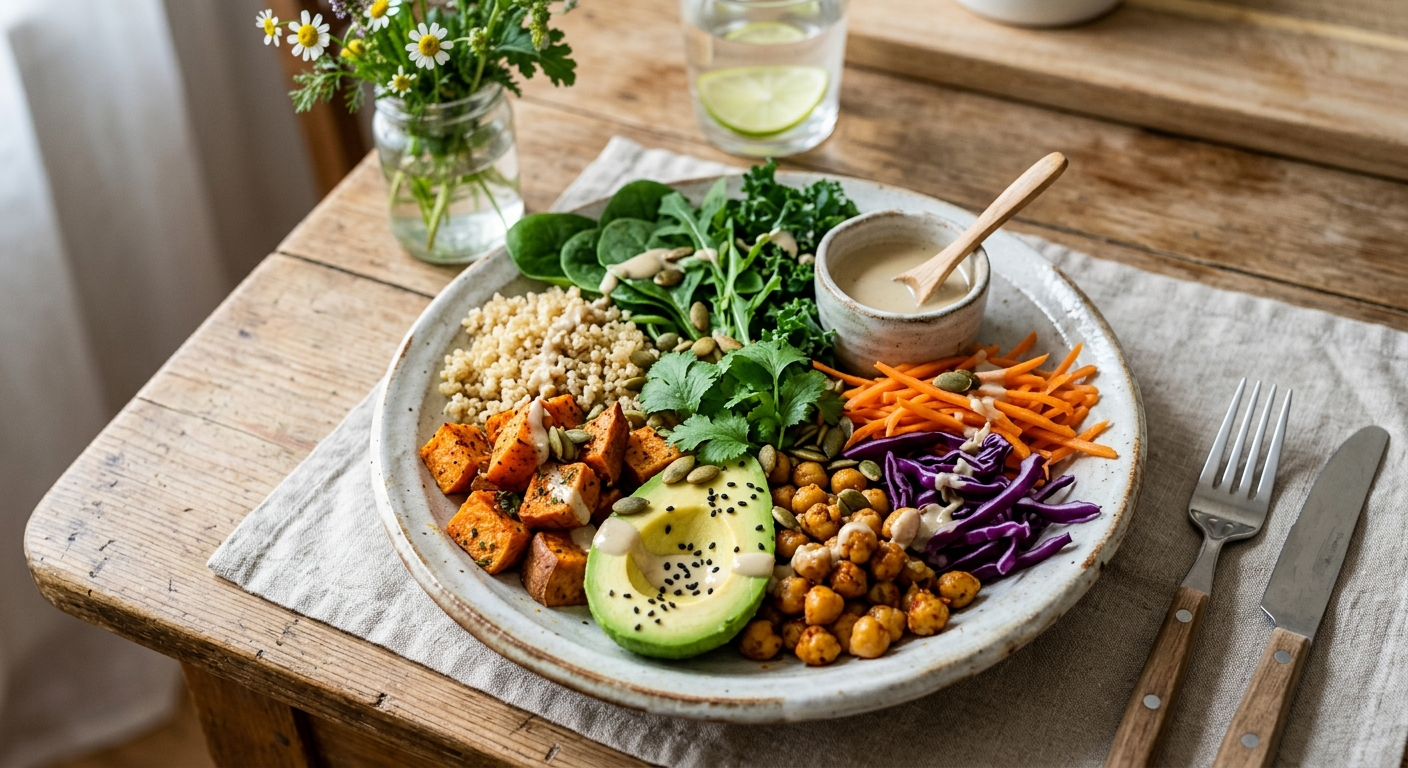

Vegan Bodybuilding Diet for Muscle Gain: Foods, Protein & Meal Plan
Can you really build muscle while following a vegan diet? Yes—but simply avoiding meat and dairy isn’t enough. If you’re training for muscle growth, your diet needs to provide adequate protein, calories, carbohydrates, healthy fats, and essential nutrients.
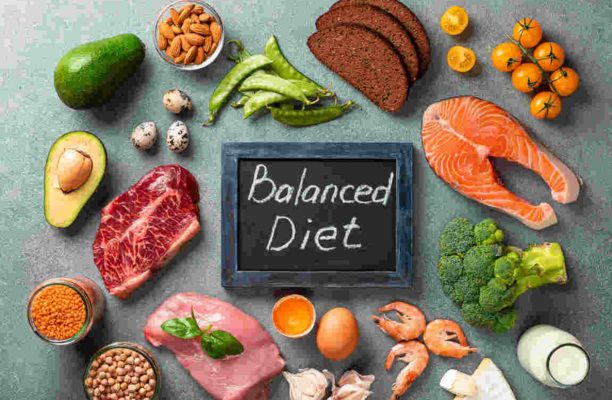
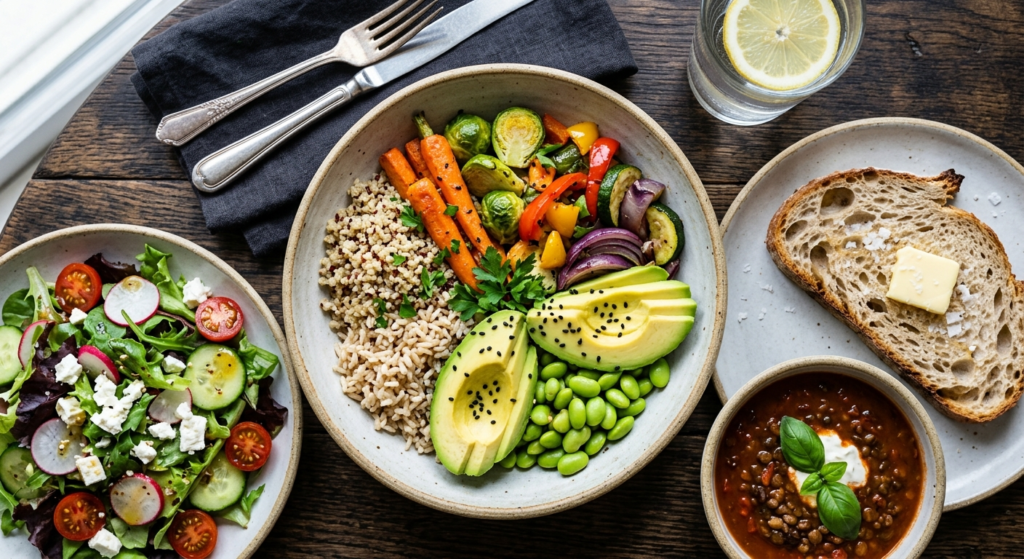
A well-planned vegan bodybuilding diet can include plenty of muscle-supporting foods such as tofu, tempeh, lentils, chickpeas, beans, soy foods, seitan, whole grains, nuts, and seeds. The challenge is knowing how to combine these foods around your training and overall fitness goals.
Whether you’re training at a gym in Mohali, Panchkula, Zirakpur, or Ludhiana, the basic principles remain the same: train consistently, eat appropriately for your goal, get enough protein, and give your body enough time to recover.
In this guide, we’ll explain what vegans eat to gain muscle, how much protein to consider, the best plant-based protein sources, and what a practical vegan fitness meal plan can look like.
Can Vegans Build Muscle?
Yes. A well-planned vegan diet can support muscle growth when combined with progressive resistance training, adequate energy and sufficient protein. Foods such as tofu, tempeh, lentils, beans, soy foods, seitan, nuts, seeds and plant-based protein products can contribute to a muscle-building diet. Individual calorie and protein requirements vary according to body size, training and fitness goals.
What Is a Vegan Bodybuilding Diet?
A vegan bodybuilding diet is a plant-based eating pattern designed to support strength training, muscle development, workout performance and recovery.
It excludes animal-derived foods such as:
- Meat
- Chicken
- Fish
- Eggs
- Dairy products
Instead, protein and other nutrients come from plant-based foods.
For someone who trains regularly, a good vegan bodybuilding diet should focus on:
- Adequate protein
- Sufficient calories
- Carbohydrates for training energy
- Healthy fats
- Fruits and vegetables
- Whole grains and legumes
- Adequate hydration
- Important vitamins and minerals
The goal isn’t simply to make every meal vegan. It’s to build a balanced eating pattern that supports your training.
Can You Build Muscle on a Vegan Diet?
Yes. Current research suggests that appropriately planned plant-based diets can support athletic performance and body composition, although nutrition quality and individual dietary planning matter. A 2024 systematic review found that existing evidence does not support the idea that plant-based diets inherently prevent athletes from achieving favorable performance or body-composition outcomes.
For muscle growth, the biggest factors remain:
1. Progressive Resistance Training
Your muscles need a progressively challenging training stimulus.
This can involve gradually increasing:
- Weight
- Repetitions
- Sets
- Training volume
- Exercise difficulty
2. Adequate Protein
Protein supplies amino acids used in muscle repair and adaptation.
3. Enough Energy
If you’re consistently eating too few calories, gaining muscle can become more difficult.
4. Carbohydrates
Carbohydrates provide an important source of fuel for demanding workouts.
5. Recovery
Training is only part of the process. Rest and sleep also matter.
What Do Vegans Eat to Gain Muscle?
So, what do vegans eat to gain muscle?
The answer is a combination of protein-rich plant foods, carbohydrate sources, healthy fats, fruits and vegetables.
Here are some of the best options to consider.
Tofu
Tofu is a versatile soy-based food that can be grilled, stir-fried, baked or added to curries, wraps and rice bowls.
It works particularly well in meal preparation because it can be combined with different vegetables and carbohydrate sources.
Tempeh
Tempeh is another soy-based food with a firm texture and useful protein content.
Try it in:
- Stir-fries
- Sandwiches
- Rice bowls
- Wraps
- Salads
Lentils
Lentils provide plant protein, carbohydrates and dietary fiber.
They’re easy to include in Indian-style meals such as dal, as well as soups, salads and grain bowls.
Chickpeas
Chickpeas can be used in hummus, curries, salads, wraps and roasted snacks.
They’re particularly convenient when you’re preparing meals in advance.
Beans
Kidney beans, black beans and other legumes can contribute protein, carbohydrates and fiber.
Pairing legumes with grains such as rice can create a filling and nutritious meal.
Seitan
Seitan is made primarily from wheat gluten and can be a protein-rich meat alternative.
It can work well in wraps, sandwiches and stir-fries, although people who need to avoid gluten should not use it.
Soy Milk
Fortified soy milk can be added to:
- Oatmeal
- Smoothies
- Breakfast bowls
- Protein shakes
It can be an easy addition to a fitness-focused vegan diet.
Nuts and Seeds
Peanuts, almonds, chia seeds, flaxseeds, hemp seeds and other nuts and seeds provide healthy fats and contribute some protein.
They’re also calorie-dense, which can be useful when trying to increase overall energy intake.
Quinoa
Quinoa provides carbohydrates and protein and works well as a base for meal-prep bowls and salads.
Plant-Based Protein Powder
Pea, soy, rice and blended plant proteins can help make it easier to reach your daily protein target.
However, protein powder should complement a balanced diet rather than replace most whole foods.
How Much Protein Do You Need for Muscle Gain?
There isn’t one protein number that works for every vegan or every gym-goer.
Your requirements depend on factors such as:
- Body weight
- Training frequency
- Training intensity
- Muscle-building goals
- Total calorie intake
- Age
- Overall diet
For people performing resistance training, around 1.6 g of protein per kilogram of body weight per day is a useful evidence-based reference point for many individuals, but it shouldn’t be treated as a universal prescription.
For example:
| Body Weight | Protein at 1.6 g/kg |
|---|---|
| 60 kg | 96 g |
| 70 kg | 112 g |
| 80 kg | 128 g |
| 90 kg | 144 g |
These figures are examples for understanding the calculation, not personalized nutrition recommendations.
If you’re unsure about your individual protein or calorie requirements, a qualified nutrition professional can help you determine an appropriate target.
What Is a Good Vegan Fitness Meal Plan?
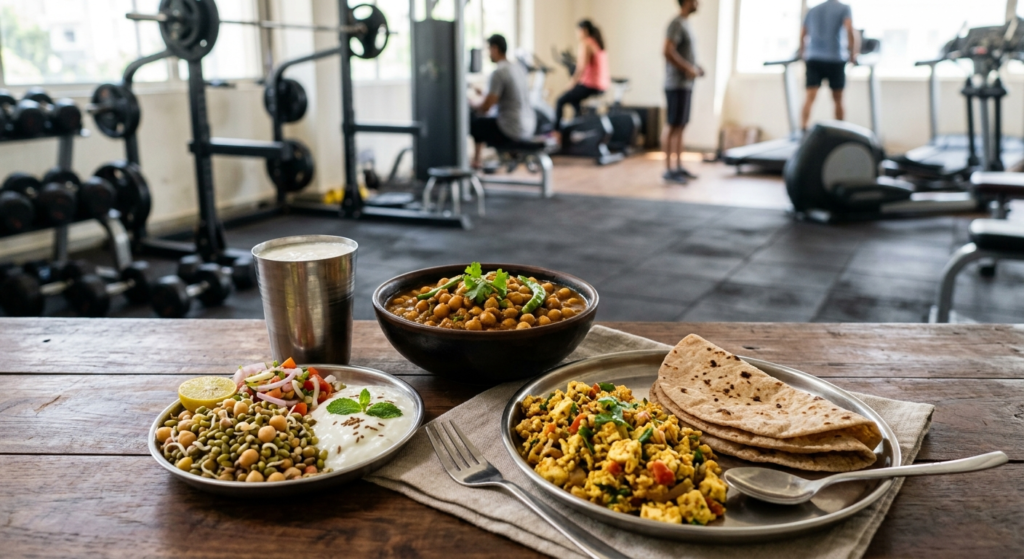
A good vegan fitness meal plan should combine protein-rich foods with carbohydrates, healthy fats, fruits, vegetables and enough total energy to match your goal.
A simple day could look like this:
Breakfast:
Oats + fortified soy milk + banana + chia seeds + peanut butter
Pre-workout:
Banana + whole-grain toast
Post-workout:
Tofu or a plant-based protein shake + fruit
Lunch:
Rice + lentils + vegetables + tofu
Snack:
Hummus + whole-grain bread or roasted chickpeas
Dinner:
Tempeh or beans + quinoa/rice + mixed vegetables
The portions should be adjusted according to your body weight, activity level, training demands and fitness goal.
7-Day Vegan Bodybuilding Meal Plan
The following is a general example—not a personalized diet prescription.
Day 1
Breakfast: Oats with soy milk, banana and chia seeds
Lunch: Lentil dal, brown rice, tofu and vegetables
Snack: Peanut butter toast and fruit
Dinner: Tofu stir-fry with rice and vegetables
Day 2
Breakfast: Tofu scramble with whole-grain toast
Lunch: Chickpea and quinoa bowl with vegetables
Snack: Soy yogurt with seeds and fruit
Dinner: Kidney bean curry with rice and salad
Day 3
Breakfast: Smoothie with soy milk, banana, oats and plant protein powder
Lunch: Tofu wrap with vegetables and hummus
Snack: Roasted chickpeas and fruit
Dinner: Lentil pasta with vegetables
Day 4
Breakfast: Overnight oats with soy milk, berries and peanut butter
Lunch: Rajma with rice and salad
Snack: Whole-grain toast with hummus
Dinner: Tempeh stir-fry with quinoa
Day 5
Breakfast: Tofu scramble with whole-grain toast and fruit
Lunch: Chickpea curry with brown rice
Snack: Fruit and mixed nuts
Dinner: Tofu bowl with quinoa and mixed vegetables
Day 6
Breakfast: Plant-based protein smoothie with banana and oats
Lunch: Lentil and vegetable bowl
Snack: Hummus with whole-grain crackers
Dinner: Bean burrito bowl with rice, vegetables and avocado
Day 7
Breakfast: Oatmeal with soy milk, banana and seeds
Lunch: Tofu and vegetable rice bowl
Snack: Roasted chickpeas and fruit
Dinner: Lentil curry with quinoa and vegetables
Important Note
This meal plan demonstrates food combinations rather than prescribing exact portions. Someone trying to gain muscle may need substantially different portions from someone trying to lose body fat.
Best Vegan Foods Before a Workout
Your pre-workout food should provide energy without making you feel uncomfortably full.
Some practical choices include:
- Banana
- Dates
- Oatmeal
- Whole-grain toast
- Fruit smoothie
- Rice with a small serving of tofu
- Toast with a small amount of peanut butter
The ideal timing and portion depend on how long you have before training and how your body responds to food.
Best Vegan Foods After a Workout
A meal containing protein and carbohydrates can be a practical part of post-workout recovery.
Try combinations such as:
- Tofu + rice + vegetables
- Lentils + rice
- Tempeh + quinoa
- Plant protein shake + fruit
- Chickpea + quinoa bowl
- Soy yogurt + oats + fruit
Don’t feel that you need to consume a meal immediately after your final repetition. Your overall daily nutrition and consistent training matter more than obsessing over a narrow post-workout window.
Vegan Diet for Bulking vs Cutting
Your vegan diet should change according to your goal.
| Goal | Main Nutrition Focus | Example Foods |
| Muscle Gain | Adequate protein + sufficient energy | Tofu, tempeh, rice, oats, legumes, nuts |
| Fat Loss | Appropriate calorie deficit + adequate protein | Tofu, lentils, beans, vegetables, fruit |
| Maintenance | Balanced energy intake | Combination of plant proteins, grains, vegetables and healthy fats |
Vegan Bulking
If your goal is muscle gain, you may need more total calories.
Calorie-dense foods such as:
- Peanut butter
- Nuts
- Seeds
- Avocado
- Oats
- Rice
- Whole grains
can help increase energy intake.
Vegan Cutting
For fat loss, maintaining adequate protein while managing overall calorie intake is important.
Build meals around protein-rich foods and include plenty of vegetables, fruits and minimally processed foods.
Common Vegan Bodybuilding Diet Mistakes
Eating Too Little Protein
A vegan label doesn’t automatically make a meal high in protein.
Make a deliberate protein source part of your main meals.
Eating Too Few Calories
People trying to gain muscle sometimes underestimate how much food they need.
If you’re training hard while consistently under-eating, muscle gain can be challenging.
Relying Too Much on Processed Vegan Foods
Vegan burgers, desserts and packaged meat alternatives can fit into a balanced diet, but being vegan doesn’t automatically make a food nutrient-dense.
Ignoring Micronutrients
Vegan athletes should pay attention to nutrients such as vitamin B12, iron, calcium, vitamin D, iodine, zinc and omega-3 fats.
Avoiding Carbohydrates
Carbohydrates can be an important source of energy for resistance training and other demanding exercise.
Important Nutrients on a Vegan Fitness Diet
A vegan bodybuilding diet should consider more than protein.
Vitamin B12
Reliable natural vegan sources of vitamin B12 are limited, so fortified foods or supplementation are commonly important for people following vegan diets.
Iron
Plant foods provide non-heme iron through foods such as lentils, beans, tofu, seeds and leafy vegetables.
Calcium
Calcium can come from fortified plant milks, calcium-set tofu and certain vegetables and other foods.
Vitamin D
Vitamin D status can depend on factors including sun exposure, diet and individual circumstances.
Omega-3 Fats
Flaxseeds, chia seeds and walnuts provide plant-based ALA omega-3 fats. Algae-derived DHA/EPA products are another option for people who want a direct vegan source.
Zinc and Iodine
Legumes, seeds, nuts and fortified foods can contribute zinc, while iodine needs can be met through appropriately fortified foods or other dietary sources.
If you’re concerned about deficiencies or have specific dietary or medical requirements, speak with a qualified dietitian or healthcare professional rather than starting supplements based solely on a blog article.
Can a Vegan Diet Support Your Fitness Goals at Elevate Wellness Club?
Nutrition is only one part of a successful fitness routine.
At Elevate Wellness Club, members can combine structured training with professional fitness support. The club’s current services include strength training, personal training, bodybuilding, cardio, group fitness and nutrition guidance.
Whether you’re working toward muscle gain, fat loss, improved strength or better overall fitness, your nutrition should complement your training rather than operate separately from it.
Elevate Wellness Club has fitness locations serving Mohali, Panchkula, Zirakpur and Ludhiana, making it possible to choose a location that fits your routine.
For example, you can explore the Elevate Wellness Club Mohali location for strength training and personalized nutrition guidance, while the Zirakpur and Ludhiana locations also offer bodybuilding, strength training and nutrition-related support.
Frequently Asked Questions
Yes. A properly planned vegan diet can support muscle growth when combined with progressive resistance training, adequate protein, sufficient energy and appropriate recovery.
Vegans can use tofu, tempeh, lentils, beans, chickpeas, seitan, soy foods, quinoa, nuts, seeds and plant-based protein products as part of a muscle-building diet.
A good vegan fitness meal plan combines protein-rich plant foods with carbohydrates, healthy fats, fruits and vegetables while providing enough total energy for the individual’s goal.
Protein requirements vary by person. For resistance-trained individuals, around 1.6 g/kg/day is a useful evidence-based reference point, but individual requirements may be higher or lower depending on goals and circumstances.
Tofu, tempeh, lentils, beans, chickpeas, seitan, soy foods and plant-based protein powders are among the useful options for a vegan bodybuilding diet.
It can be. A vegan diet can support bodybuilding when it is properly planned to provide adequate protein, calories, carbohydrates and essential nutrients.
Yes. A vegan diet can be part of a fat-loss approach when total calorie intake is appropriate for the individual’s energy needs and the diet provides adequate protein and nutrients.
Final Thoughts
A successful vegan bodybuilding diet is about much more than removing animal products. For muscle growth, focus on the fundamentals: consistent resistance training, adequate protein, sufficient energy, quality carbohydrates, healthy fats and good recovery.
Make foods such as tofu, tempeh, lentils, beans, chickpeas, soy foods, whole grains, nuts and seeds regular parts of your meals. Use plant-based protein products when convenient, and pay attention to nutrients such as vitamin B12, iron, calcium and vitamin D.
Most importantly, choose a nutrition strategy that you can follow consistently alongside your training.
If you’re working toward muscle gain, strength or fat loss, structured training and professional guidance can help you turn your nutrition and workouts into a sustainable fitness routine.
Ready to train with purpose? Explore Elevate Wellness Club and find a location in Mohali, Panchkula, Zirakpur or Ludhiana that fits your fitness journey.