
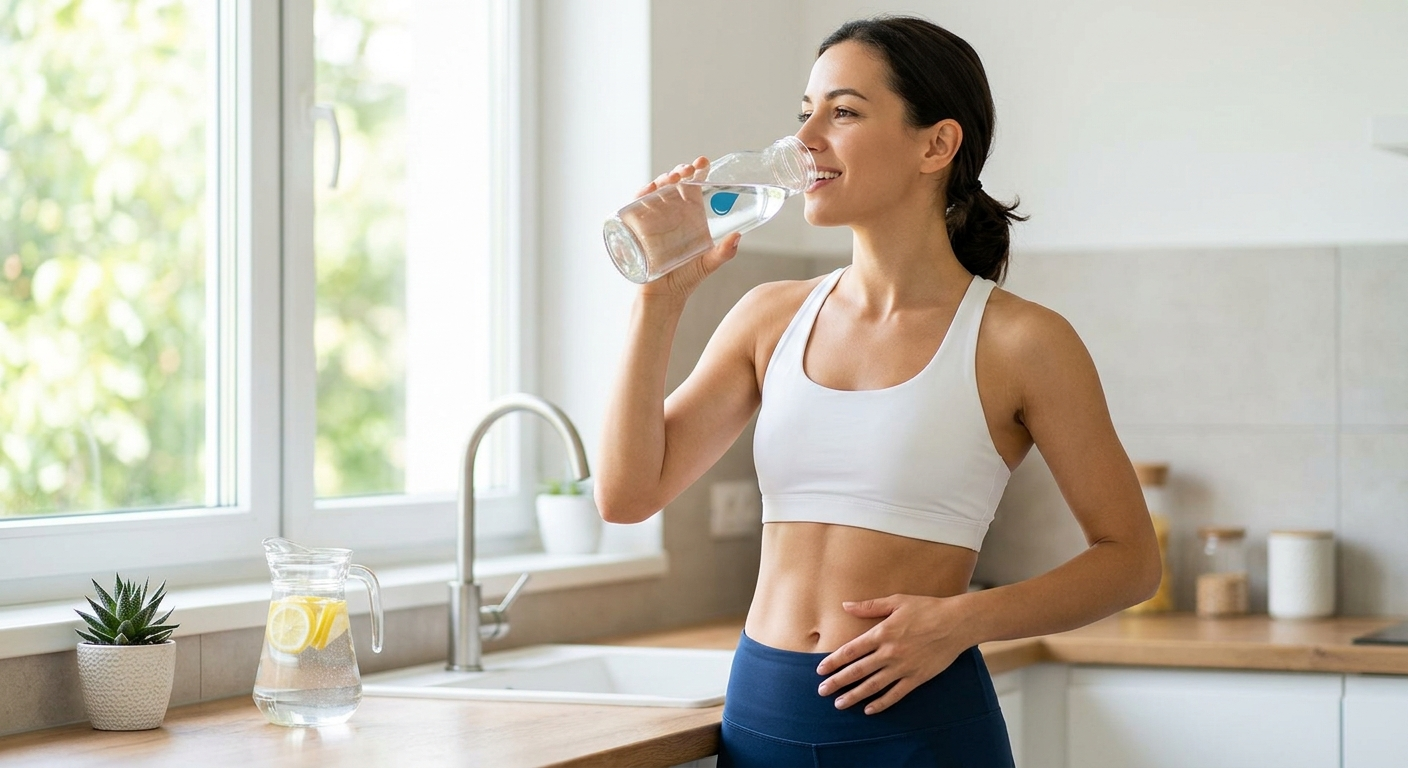

Drinking Water for Belly Fat: What Really Works
You’ve cleaned up your diet, started walking more, or perhaps joined a gym. Then someone tells you that drinking more water will help you lose belly fat.
So, does water really work?
The short answer is: drinking enough water can support weight loss, but it does not directly burn belly fat.
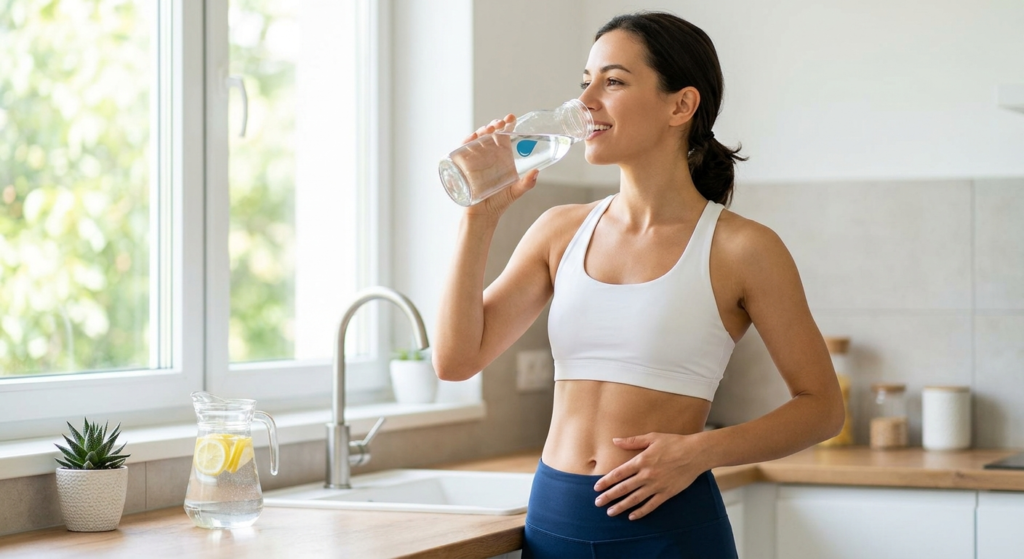
Water can become a useful part of a fat-loss routine because it contains no calories, can replace sugary beverages, supports normal body functions, and may help some people manage their food intake when consumed before meals.
However, belly fat cannot be selectively removed by drinking water or performing a particular exercise. Fat loss depends on your overall energy balance, activity level, eating habits, sleep, and other lifestyle factors.
In this guide, we’ll explain what drinking water can actually do for weight loss, how much water you may need, common hydration mistakes, and how to make water part of a realistic fitness routine.
Does Drinking Water Help Lose Belly Fat?
Yes, drinking water can support overall weight management, but it does not specifically burn belly fat.
Water may help by replacing calorie-containing beverages, maintaining hydration during exercise, supporting normal digestion, and potentially reducing food intake for some people when consumed before meals.
One 12-week study involving overweight and obese older adults found that participants who drank 500 ml of water before each main meal while following a calorie-restricted diet lost more weight than those who followed the diet without the pre-meal water routine. However, this does not mean water alone causes fat loss. The participants were also following a calorie-restricted diet.
For meaningful belly-fat reduction, hydration should be combined with an appropriate diet, regular physical activity, sufficient sleep, and sustainable lifestyle habits.
Why Belly Fat Is Different From Other Body Fat
Before looking at the role of water, it helps to understand what people mean by belly fat.
Abdominal fat generally includes two main types:
- Subcutaneous fat: Fat stored underneath the skin that you can usually pinch.
- Visceral fat: Fat stored deeper inside the abdomen around internal organs.
Excess visceral fat is associated with increased health risks, including type 2 diabetes and cardiovascular disease.
However, drinking more water cannot tell your body to remove fat specifically from your stomach.
This is important because many “flat belly” claims confuse reduced bloating with actual fat loss.
Adequate hydration can support normal digestion and bowel function, which may help some people who experience constipation-related discomfort or bloating. But a temporary change in abdominal appearance is not necessarily a reduction in body fat.
How Drinking Water Can Support Weight Loss
1. Water Can Replace High-Calorie Drinks
One of the most practical ways water can support weight management is by replacing beverages that contain calories and added sugar.
Regular soda, sweetened coffee, sweetened tea, energy drinks, and other sugary beverages can add significant calories to your daily intake.
Plain water contains no calories. Choosing water instead of sugary drinks can therefore help reduce your overall calorie intake.
For example, replacing one daily sugary beverage with water can reduce calories without requiring you to make major changes to your meals.
Over time, small changes like this can contribute to better weight management.
2. Drinking Water Before Meals May Help Some People Eat Less
Drinking water before a meal may help some people reduce how much they eat.
In one randomized study, overweight and obese adults aged 55–75 who drank 500 ml of water before each main meal while following a calorie-restricted diet experienced greater weight loss over 12 weeks than the comparison group.
The important point is that water was used alongside a calorie-restricted diet.
The study does not prove that drinking water by itself burns belly fat. Instead, it suggests that drinking water before meals may be a useful strategy for some people who are trying to manage their calorie intake.
You can simply drink water with or before a meal if you find that it helps you feel comfortable and satisfied.
3. Proper Hydration Supports Exercise
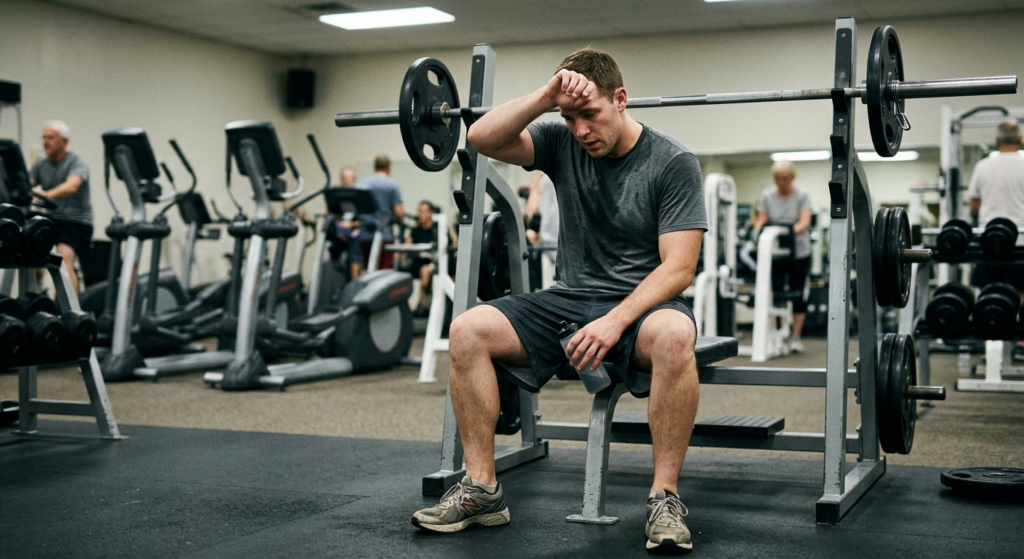
Water does not directly burn belly fat during exercise, but being adequately hydrated can help you exercise effectively.
Dehydration can negatively affect physical performance, particularly during longer or more intense workouts and exercise in hot environments.
This matters for weight management because regular physical activity is an important part of maintaining a healthy body weight.
If you are doing strength training, cardio, functional training, or other workouts, maintaining appropriate hydration can help you train comfortably and consistently.
4. Water Supports Normal Digestion
Water plays an important role in normal bodily functions, including digestion and bowel movements.
Not getting enough fluids can contribute to dehydration, and dehydration may contribute to constipation.
If constipation is contributing to temporary abdominal discomfort or bloating, improving your overall fluid intake may help.
However, it is important to distinguish between reducing bloating and losing body fat.
Drinking more water may make your stomach feel less uncomfortable, but it does not selectively remove abdominal fat.
5. Water Has a Small Thermic Effect
You may have heard that drinking cold water significantly increases metabolism.
Your body does use some energy to process fluids and regulate their temperature. However, the resulting calorie expenditure is small and should not be considered a meaningful belly-fat-burning strategy.
Therefore, you don’t need to drink ice-cold water to lose weight.
The bigger advantage of water is that it is calorie-free and can replace drinks that contribute calories to your diet.
Water vs. Sugary Drinks for Weight Management
| Drink | Calorie contribution | Weight-management consideration |
|---|---|---|
| Plain water | 0 calories | Excellent everyday choice |
| Regular soda | Often high | Can add significant sugar and calories |
| Sweetened iced tea | Can be high | Check added sugar |
| Sweetened coffee | Varies | Calories can increase with sugar and cream |
| Energy drinks | Varies | Some contain substantial sugar and calories |
| Plain sparkling water | 0 calories | Good alternative to sugary drinks |
| Unsweetened tea | Very low | Can be a low-calorie option |
Exact calorie amounts vary by brand, recipe, and serving size, so check the nutrition label when comparing beverages.
If you regularly consume sugary drinks, replacing some of them with water can be a simple way to reduce your daily calorie intake.
How Much Water Should You Drink?
There is no single amount of water that guarantees weight loss or belly-fat reduction.
Your fluid requirements can vary depending on:
- Age
- Sex
- Body size
- Physical activity
- Climate and temperature
- Pregnancy or breastfeeding
- Diet
- Sweating
- Illness
- Certain health conditions
The National Academies lists an adequate intake for total water of approximately 3.7 liters per day for men and 2.7 liters per day for women. These figures include water from beverages and food, so they should not be interpreted as a prescription to drink that exact amount of plain water every day.
Your individual needs may be higher or lower.
If you exercise regularly or live in a hot environment, such as Punjab during the warmer months, your fluid requirements may increase because of additional fluid loss through sweating.
If you have a medical condition that affects fluid balance or have been advised to restrict fluids, follow your healthcare professional’s recommendations instead of using a general online formula.
Step-by-Step: How to Make Water Part of Your Fat-Loss Routine
You don’t need a complicated “water diet” to make hydration part of your fitness plan.
1. Keep Water Easily Available
Keep a reusable bottle at your desk, in your car, or in your gym bag.
Having water available makes it easier to choose it instead of a sugary beverage.
2. Drink Water With Meals
Water can be part of your normal meals and can be particularly useful when it replaces calorie-containing beverages.
3. Replace One Sugary Drink
If you regularly drink soda, sweetened coffee, energy drinks, or another sugary beverage, start by replacing one serving with water.
This can help reduce your calorie and added-sugar intake.
4. Drink Around Your Workouts
Drink fluids before, during, and after exercise according to your workout duration, intensity, environment, and individual needs.
Longer workouts and exercise in hot conditions may increase your fluid requirements.
5. Choose Unsweetened Options
Plain water is the simplest choice, but plain sparkling water and unsweetened tea can also provide low- or no-calorie alternatives.
6. Make Water More Enjoyable
If you find plain water boring, add lemon, lime, cucumber, mint, or fruit for flavor.
Making water more enjoyable can make it easier to choose throughout the day.
7. Focus on Consistency
You don’t need to dramatically increase your water intake overnight.
Instead, build a consistent hydration routine that fits your daily schedule and activity level.
Common Mistakes People Make
Expecting Water to Burn Belly Fat
Water supports healthy habits but does not selectively burn abdominal fat.
Following an Arbitrary Water Formula
Rules such as “drink half your body weight in ounces” are popular online, but they should not be treated as a universal medical requirement.
Individual hydration needs vary.
Drinking Excessive Amounts
More water is not always better.
Drinking excessive amounts of water can disturb the body’s sodium balance and may lead to a serious condition called hyponatremia.
The goal should be adequate hydration, not maximum hydration.
Confusing Reduced Bloating With Fat Loss
Your stomach may temporarily look flatter because bloating or digestive contents have changed.
That does not necessarily mean you have lost body fat.
Ignoring Food and Activity
If your goal is fat loss, hydration is only one part of the picture.
Your overall eating pattern, calorie intake, physical activity, sleep, and consistency are much more important than simply increasing water consumption.
Water and Fitness: Why Your Workout Routine Still Matters
If you’re trying to reduce belly fat, drinking water should support—not replace—a complete fitness routine.
Strength training can help you build and maintain muscle, while cardio and other physical activities can increase energy expenditure and improve cardiovascular fitness.
For beginners, starting with manageable workouts and gradually increasing activity can be more sustainable than following extreme programs.
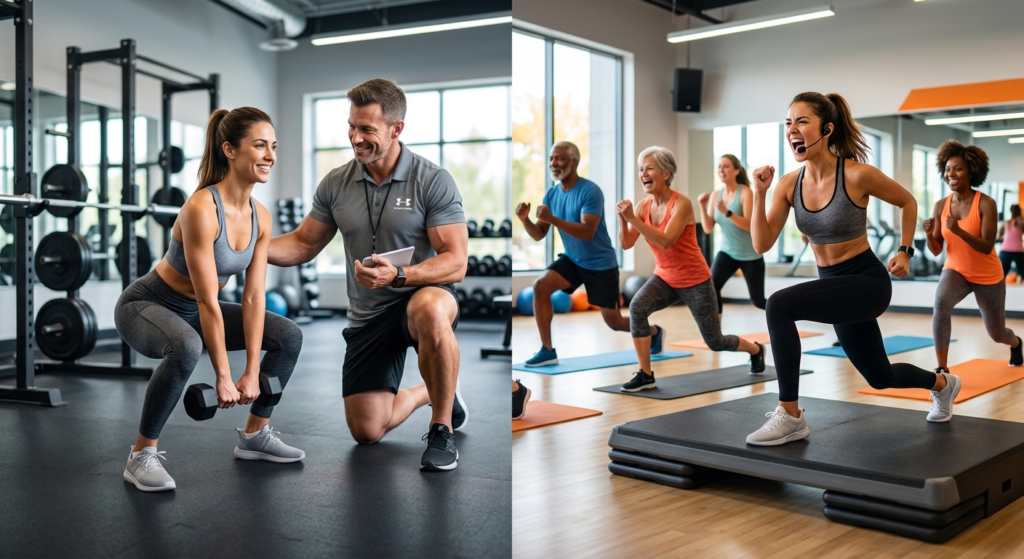
A structured training environment can also make it easier to stay consistent.
For people looking for fitness options locally, Elevate Wellness Club provides gym and fitness services across Ludhiana, Mohali, Panchkula, Zirakpur, and Peer Muchalla.
Whether you’re starting your fitness journey in Ludhiana, looking for structured training in Mohali or Panchkula, or searching for a convenient gym in Zirakpur or Peer Muchalla, choosing a gym that matches your goals, schedule, and fitness level can help you stay consistent.
True Elevate offers options including gym memberships, strength training, personal training, functional training, cardio training, fitness coaching, muscle-building programs, weight-loss programs, and group fitness training.
Conclusion
Drinking water can support weight loss, but it does not directly melt belly fat.
Its biggest benefits come from making healthy habits easier.
Choosing water instead of sugary drinks can reduce unnecessary calorie intake. Staying adequately hydrated can support normal physical performance and everyday body functions. Drinking water before meals may also help some people manage their food intake.
But if your goal is to reduce belly fat, don’t rely on water alone.
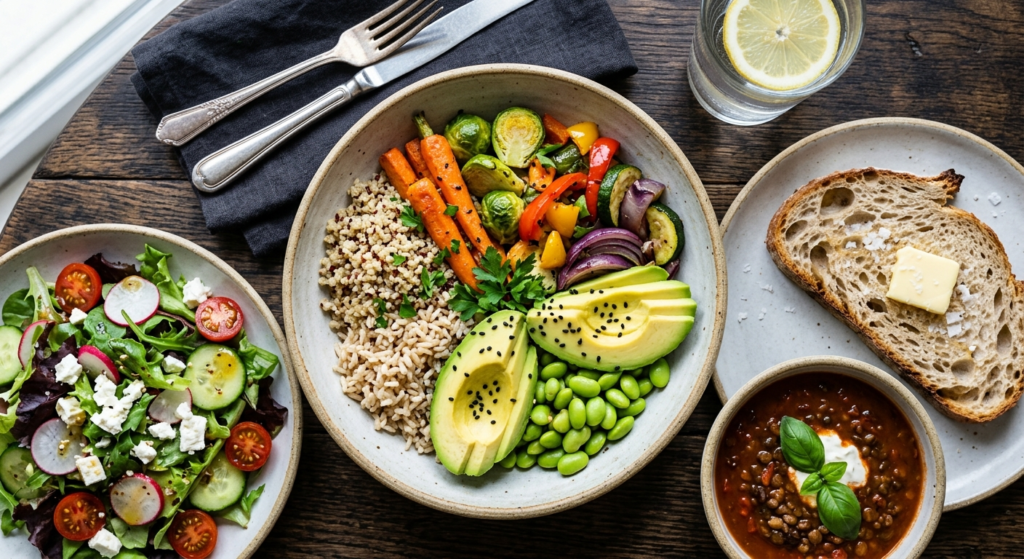
A sustainable approach combines an appropriate calorie intake, nutritious foods, regular strength and aerobic activity, adequate sleep, and consistent lifestyle habits.
Think of water as a supporting tool—not a magic solution.
If you’re looking for structured fitness support, Elevate Wellness Club provides fitness and training options in Ludhiana, Mohali, Panchkula, Zirakpur, and Peer Muchalla.
Start with realistic habits, stay consistent, and focus on long-term progress rather than quick fixes.