

Why Am I Going to the Gym but Not Seeing Results? 10 Common Reasons
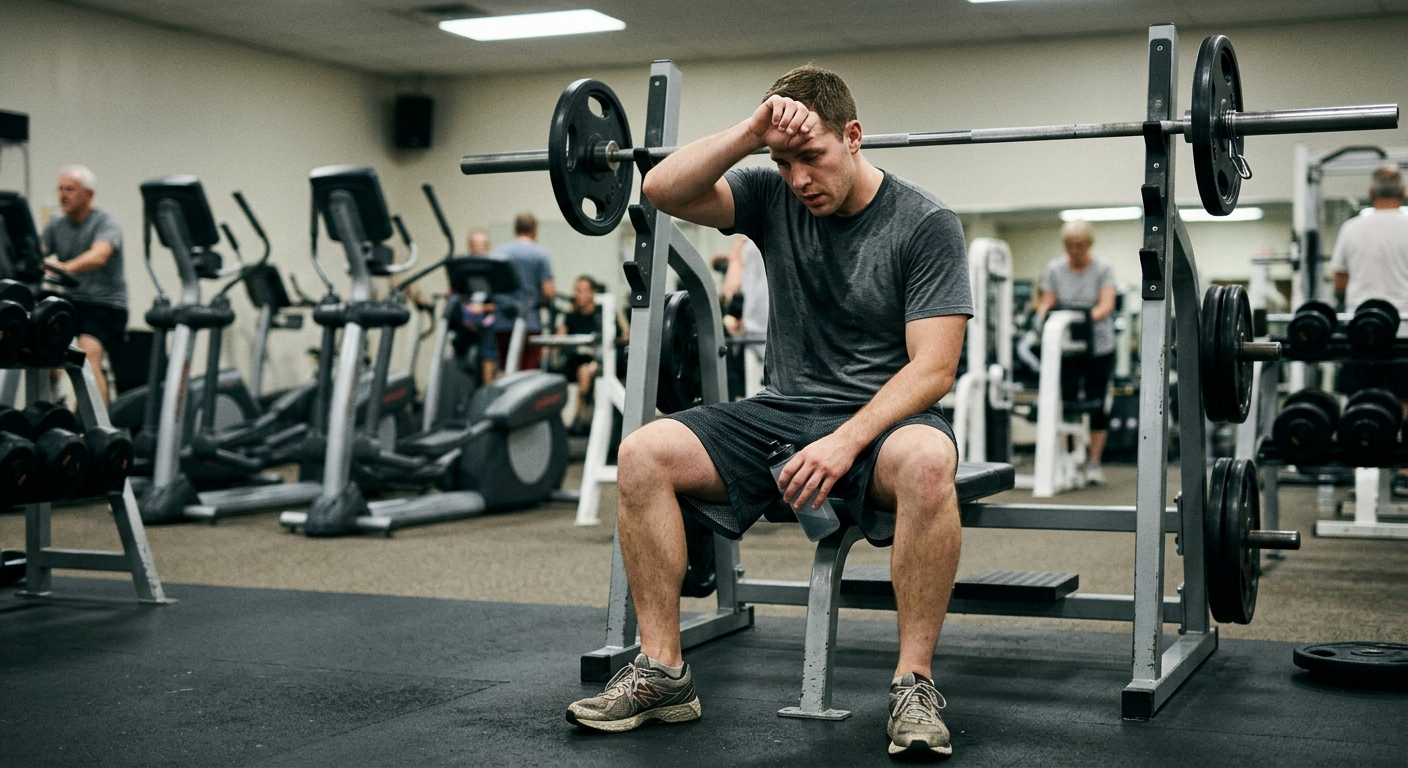
You have been going to the gym consistently. You are sweating through workouts, spending time on the treadmill, lifting weights, and trying to stay motivated. Yet when you look in the mirror or step on the weighing scale, it feels like nothing is changing.
Sound familiar?
One of the most frustrating parts of fitness is putting in effort without seeing the results you expected. But in many cases, the problem is not that the gym is “not working.” Your training, nutrition, recovery, activity levels, or expectations may not be working together effectively.
The good news is that small changes can make a major difference. Before changing your entire workout plan, it is worth understanding what may be holding your progress back.
Why Am I Going to the Gym but Not Seeing Results?
If you are going to the gym but not seeing results, the most common reasons include an inconsistent workout routine, poor nutrition, insufficient protein, lack of progressive overload, inadequate sleep, stress, unrealistic expectations, or too little daily activity outside the gym. Results usually improve when your training, food, recovery and lifestyle work together consistently.
1. Your Workouts Are Not Consistent Enough
Going to the gym occasionally is better than doing nothing, but meaningful progress requires consistency.
For example, you may plan to train five days a week but actually attend only two or three days because of work, travel, social commitments, or a busy routine. Another common pattern is being highly motivated for a few weeks and then stopping for several days.
Your body responds to repeated training, not isolated workouts.
For adults, the World Health Organization recommends regular physical activity and muscle-strengthening activities involving major muscle groups on at least two days per week. The exact amount needed depends on your goals, fitness level and individual circumstances.
What to do
Create a routine you can realistically maintain.
Instead of saying:
- “I will work out every day.”
Try:
- “I will strength train three days a week.”
- “I will walk regularly on non-training days.”
- “I will treat my workouts like an appointment.”
Consistency over several months is more valuable than an intense routine you abandon after two weeks.
2. Your Diet Does Not Match Your Fitness Goal
You can have a great workout routine and still struggle to lose fat or gain muscle if your food intake does not support your goal.
This is especially common when people assume that “homemade food” automatically means weight-loss friendly.
Indian and Punjabi meals can absolutely fit into a healthy fitness plan. However, portions and overall food intake still matter.
For example, a typical day could include:
- Paratha with butter
- Sweetened chai
- Large portions of rice
- Paneer-heavy meals
- Fried snacks
- Sugary drinks
- Sweets on weekends
None of these foods automatically make someone unhealthy, but when calorie intake consistently exceeds what the body needs, fat loss can become difficult.
Match your food to your goal
For fat loss:
Focus on appropriate portions, protein-rich foods, vegetables, fruits, whole grains and an overall calorie intake that supports gradual weight reduction.
For muscle gain:
Prioritize sufficient calories, protein, carbohydrates and resistance training.
For general fitness:
Aim for a balanced diet that supports your activity level and recovery.
The goal is not to eliminate roti, rice, dal or paneer. It is to understand how they fit into your overall diet.
3. You Are Not Eating Enough Protein
Protein plays an important role in maintaining and building muscle, particularly when combined with resistance training.
A common mistake among gym-goers is either eating too little protein or assuming they need expensive supplements to meet their needs.
Indian diets can provide plenty of protein through foods such as:
- Dal and legumes
- Milk and curd
- Paneer
- Soy and tofu
- Eggs
- Chicken
- Fish
- Sprouts
- Beans and chickpeas
For vegetarians, combining different protein sources throughout the day can make it easier to meet nutritional needs.
Example
Instead of having a breakfast that consists mainly of chai and toast, you could include options such as eggs, curd, paneer, milk, or another protein-rich food depending on your dietary preferences.
The important point is that whey protein is a supplement, not a requirement. It can be convenient, but whole foods can also contribute substantially to protein intake.
4. You Keep Doing the Same Workout Without Progression
This is one of the most overlooked reasons for stalled gym progress.
You may be doing the same exercises, with the same weights and repetitions, week after week.
Your body adapts to training. Once an exercise becomes easier, you generally need an appropriate progression in training volume, resistance, repetitions, exercise difficulty, technique or another measurable variable.
This concept is commonly referred to as progressive overload.
A simple example
Imagine you perform dumbbell presses with 10 kg weights for 10 repetitions every week.
After several weeks, the exercise becomes significantly easier.
Rather than endlessly repeating the same workload, a structured program may gradually increase the challenge when appropriate.
Progress might look like:
10 kg × 10 reps → 10 kg × 12 reps → 12 kg × 10 reps
The exact progression depends on the exercise, training experience and program.
What to track
Keep a record of:
- Weight lifted
- Repetitions
- Sets
- Exercise variations
- Workout frequency
- How the exercise feels
If you cannot measure progress, it is difficult to know whether your program is progressing.
5. You Are Doing Too Much Cardio and Not Enough Strength Training
Cardio is valuable for cardiovascular health and can contribute to energy expenditure, but more cardio does not automatically mean better body composition.
Some gym-goers spend almost their entire workout walking, running or using cardio machines while doing very little resistance training.
Strength training can help maintain and develop muscle, while aerobic activity supports cardiovascular fitness and overall health.
The best approach for many people is not “cardio versus weights,” but an appropriate combination of both.
WHO recommends a combination of aerobic activity and muscle-strengthening activity for adults.
Example weekly structure
A general routine might include:
- Strength training: 2–4 sessions
- Cardio: several sessions depending on goals
- Walking and everyday movement
- Rest and recovery
Your exact plan should be adjusted to your goal, experience and physical condition.
6. You Are Underestimating Your Daily Activity
One hour in the gym does not automatically make the rest of the day active.
You might complete a hard workout and then spend the next 10 hours sitting at a desk, driving, watching television, or using a laptop.
This is particularly common among people with office-based jobs in cities such as Mohali, Panchkula, Zirakpur and Ludhiana.
Think beyond your workout.
Increase movement throughout the day
Simple options include:
- Walking during phone calls
- Taking the stairs when practical
- Going for short walks during work breaks
- Walking after meals
- Spending less time sitting continuously
WHO emphasizes that physical activity includes movement performed during transportation, work, household tasks, recreation and planned exercise—not just gym sessions.
Your daily movement can therefore make an important difference to your overall activity level.
7. You Are Not Getting Enough Sleep and Recovery
Training creates a stimulus, but recovery matters too.
If you regularly sleep too little, train hard without adequate recovery, or constantly feel exhausted, your performance and consistency can suffer.
For most adults, sleep should not be treated as an optional part of a fitness routine. The CDC recommends at least seven hours of sleep per night for adults aged 18–60.
Signs that your recovery may need attention
You may notice:
- Constant tiredness
- Poor workout performance
- Difficulty concentrating
- Increased irritability
- Persistent muscle soreness
- Reduced motivation
Improve recovery
Try to maintain:
- A consistent sleep schedule.
- Adequate food and hydration.
- Rest days when appropriate.
- Manageable training volume.
- Proper exercise technique.
Recovery does not mean being inactive all week. It means giving your body the resources and time it needs to adapt.
8. You Expect Results Too Quickly
This is one of the biggest reasons people believe their gym routine is failing.
Someone may work out for three weeks, compare themselves with a fitness influencer online, and decide that nothing is happening.
Real progress is rarely linear.
Weight can fluctuate because of:
- Water retention
- Food intake
- Sodium
- Carbohydrate intake
- Digestion
- Hormonal changes
- Training-related changes
Similarly, muscle gain is usually a gradual process rather than an overnight transformation.
Look beyond the weighing scale
Track several indicators:
Body composition
- Waist measurement
- Progress photos
- Clothing fit
Performance
- More weight lifted
- More repetitions
- Better stamina
Lifestyle
- Better energy
- Improved sleep
- Greater confidence
- Better daily movement
A scale is one measurement—not the entire story.
9. Your Weekend Eating Is Undoing Your Weekday Effort
This is extremely common.
You may train consistently from Monday to Friday, eat carefully during the week, and then consume much larger meals over the weekend.
For example:
Monday–Friday:
Controlled portions, workouts, fewer snacks.
Saturday–Sunday:
Restaurant meals, alcohol, desserts, sugary drinks, fried foods and much larger portions.
A few high-calorie meals do not automatically destroy your progress. The problem is that they can significantly change your overall weekly calorie intake.
You also do not need to label foods as “good” or “bad.”
Instead, think about:
- Frequency
- Portion size
- Overall weekly intake
- Your fitness goal
This allows you to enjoy foods such as biryani, butter chicken, chole, paratha or sweets occasionally while still maintaining a balanced approach
10. Your Workout Plan Is Not Designed for Your Actual Goal
“Going to the gym” is not a goal.
Your actual goal might be:
- Losing body fat
- Building muscle
- Increasing strength
- Improving endurance
- Becoming more active
- Improving general fitness
Each goal may require a different emphasis.
For example, someone focused on building muscle should not follow exactly the same program as someone primarily interested in improving cardiovascular endurance.
Ask yourself three questions
1. What is my main goal?
Be specific.
2. How am I measuring progress?
Use objective measurements.
3. Does my current training support that goal?
Your workout, food and recovery should point in the same direction.
If you cannot answer these questions, working with a qualified fitness professional can help you build a more structured approach.
What Should You Do If You Are Going to the Gym but Not Seeing Results?
Instead of completely changing everything at once, use this simple process.
Step 1: Define your goal
Choose one primary objective:
Fat loss | Muscle gain | Strength | Fitness
Step 2: Track your workouts
Record exercises, sets, repetitions and weights.
Step 3: Review your food
Look at your entire week, not only your “healthy” weekdays.
Step 4: Check your protein intake
Make sure your meals contain suitable protein sources based on your dietary preferences and nutritional needs.
Step 5: Improve daily movement
Do not rely entirely on the gym for physical activity.
Step 6: Prioritize recovery
Aim for adequate sleep and sensible training volume.
Step 7: Measure progress properly
Use a combination of:
- Weight
- Measurements
- Photos
- Workout performance
- Fitness levels
Step 8: Give the process time
Do not judge your entire program after a few workouts.
Consistency creates a trend, and trends are more useful than individual days.
A Simple Example: Why Your Gym Routine May Not Be Working
Imagine someone who says:
“I go to the gym five days a week, but I am still not losing weight.”
At first glance, their workout frequency sounds good.
But after looking closer:
- Breakfast is mostly tea and biscuits.
- Lunch portions are large.
- Dinner includes frequent fried foods.
- Weekends involve restaurant meals.
- Sleep is only around six hours.
- Most of the workday is spent sitting.
- Every gym session uses the same workout.
- Progress is measured only by body weight.
The issue may not be a lack of effort.
The issue may be a mismatch between training, nutrition, recovery and daily habits.
That is why simply adding more workouts is not always the answer.
When Should You Consider Professional Fitness Guidance?
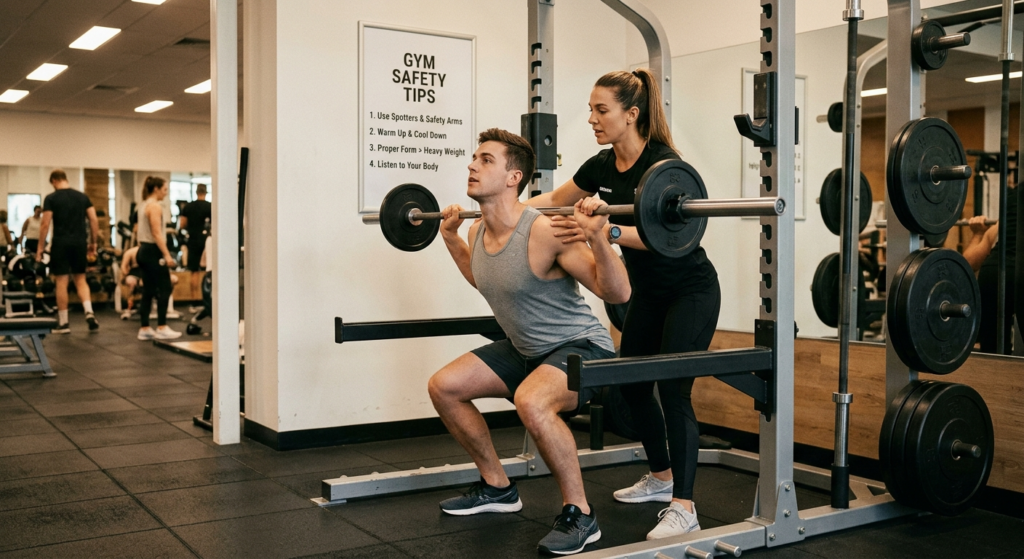
You do not necessarily need a personal trainer for every fitness goal. However, professional guidance can be useful when:
- You are completely new to training.
- You are unsure how to use equipment.
- Your technique needs correction.
- You have stopped progressing.
- You cannot structure your workouts.
- You are struggling to stay consistent.
- You want a program built around a specific goal.
A good coach should not simply make you exercise harder. They should help you understand why you are doing each part of your program and how progress will be measured.
Final Thoughts
If you are going to the gym but not seeing results, do not immediately assume that your workouts are useless.
In many cases, the real issue is the combination of inconsistent training, mismatched nutrition, insufficient protein, poor recovery, limited daily activity, lack of progression, or unrealistic expectations.
The best fitness routine is not necessarily the hardest one. It is the one that fits your goal, your lifestyle and your ability to stay consistent.
Whether your goal is losing fat, building muscle or simply becoming fitter, focus on the basics: train consistently, eat appropriately, recover well, track progress and make adjustments based on evidence rather than frustration.
At True Elevate Wellness Club, you can access structured workouts, expert fitness guidance, and a supportive training environment designed to help you stay accountable and achieve your fitness goals, with convenient locations across Panchkula, Mohali, Zirakpur, Ludhiana, and Peer Muchalla.
Frequently Asked Questions
You may be eating more calories than you realize, underestimating portions, moving less outside the gym, or expecting the scale to change faster than it realistically will. Weight can also fluctuate because of water and other short-term factors.
There is no universal timeline because results depend on your starting point, goal, training, nutrition, recovery and consistency. Look for improvements in performance, measurements and fitness rather than relying only on scale weight.
Common reasons include insufficient training progression, inadequate nutrition or protein, inconsistent training and insufficient recovery. Your routine should gradually challenge the muscles while providing appropriate nutrition and rest.
Going to the gym can support fat loss, but exercises cannot selectively remove fat from one specific area. Overall energy balance, physical activity, resistance training, nutrition and consistency all matter.
Yes. You do not have to completely eliminate Punjabi or Indian foods to make progress. The key is balancing portions, overall calorie intake, food quality and your personal nutritional needs.
No. Protein supplements such as whey can be convenient, but they are not essential for everyone. Foods such as dairy, eggs, legumes, soy, chicken and fish can contribute to your daily protein intake.
Possibly, but do not automatically change everything. First check your consistency, training progression, nutrition, recovery and goal. Sometimes improving the way you track and progress your existing routine is more useful than constantly switching exercises.
Yes. Progress is not perfectly linear. Temporary changes in body weight, performance or appearance can occur. Look at longer-term trends instead of judging your progress based on a few days.