

10 Best Lower Back Exercises Using Gym Equipment for Strength
A strong lower back is an important part of a balanced and functional body. Whether you are new to fitness, building muscle, or working toward better overall strength, training your lower back can support posture, stability, and everyday movement. The right lower back exercises gym equipment can make it easier to train these muscles with controlled resistance and proper technique.
At True Elevate Wellness Club, members can incorporate strength-focused exercises into structured workout routines based on their fitness goals and experience level. From beginners to experienced gym-goers, choosing suitable exercises and learning proper form can make lower back training more effective.
Why Is Lower Back Strength Important?
Your lower back works together with your abdominal muscles, hips, and glutes to stabilize your body during many movements. A stronger posterior chain can help you perform exercises such as squats, rows, deadlifts, and other compound movements more efficiently.
Lower back training can also complement your overall strength and conditioning routine. However, the goal should not be to simply lift heavier weights. Controlled movement, appropriate resistance, and correct technique are essential.
10 Best Lower Back Exercises Using Gym Equipment
1. Back Extensions
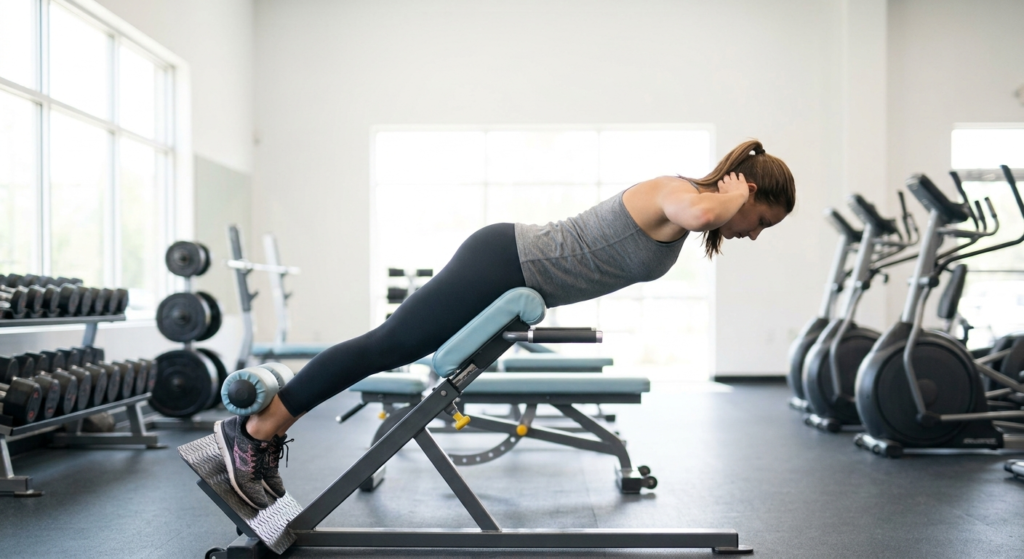
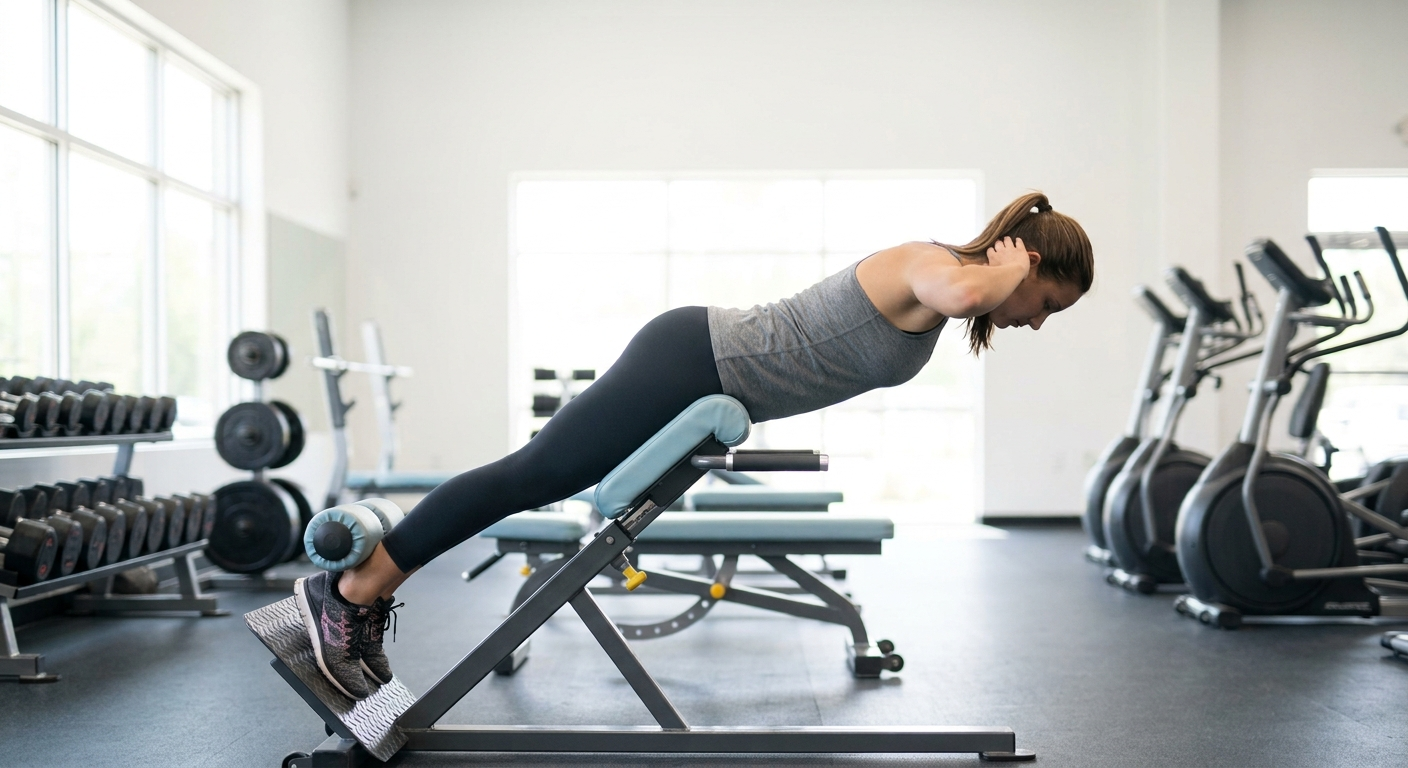
The back extension machine or Roman chair is one of the most direct ways to train the muscles around the lower back.
Position yourself securely, keep your spine controlled, and extend your torso without aggressively hyperextending at the top. Beginners should start with bodyweight before adding resistance.
2. Romanian Deadlifts
Romanian deadlifts primarily target the hamstrings and glutes while also challenging the muscles responsible for maintaining spinal stability.
Use a barbell or dumbbells and maintain a neutral spine as you hinge at the hips. Keep the weight controlled throughout the movement rather than trying to lift as heavy as possible.
3. Cable Pull-Throughs
Cable pull-throughs are a useful option for developing hip-hinge mechanics and strengthening the glutes and posterior chain.
Stand facing away from the cable machine, hold the attachment between your legs, and push your hips forward while maintaining control. This exercise can be particularly useful for learning proper hip movement.
4. Barbell Deadlifts
Deadlifts are a compound exercise involving multiple muscle groups, including the glutes, hamstrings, back, and core.
Because technique is important, beginners should learn the movement pattern with a qualified fitness professional before progressing to heavier loads.
5. Good Mornings
Good mornings use a hip-hinge movement to challenge the posterior chain. They can be performed with a light barbell when proper technique has been established.
Keep the weight appropriate for your experience level and avoid rounding your back during the movement.
6. Cable Rows
Cable rows mainly train the upper and middle back, but they also require core and spinal stability throughout the movement.
Sit upright, brace your core, and pull the handle toward your torso without excessive swinging. Controlled repetitions can make this a valuable part of a complete back workout.
7. Lat Pulldowns
Lat pulldowns are primarily an upper-back exercise, but maintaining proper posture and trunk stability throughout the movement also engages supporting muscles.
Avoid leaning excessively backward or using momentum to pull the weight down.
8. Reverse Hyperextensions
Where available, reverse hyperextension equipment can be used to train the glutes and posterior chain while incorporating controlled hip extension.
Start with a light resistance and focus on smooth movement rather than range of motion or load.
9. Dumbbell Romanian Deadlifts
Dumbbell Romanian deadlifts are a beginner-friendly variation that can help develop hip-hinge mechanics while training the hamstrings, glutes, and lower-back stabilizers.
Using dumbbells can also make it easier to manage the load and focus on technique.
10. Cable Hip Extensions
Cable hip extensions can target the glutes while supporting posterior-chain development. Strong glutes can contribute to better performance during various lower-body and strength exercises.
Keep the movement controlled and avoid excessive movement through the lower back.
How to Perform Lower Back Exercises Safely
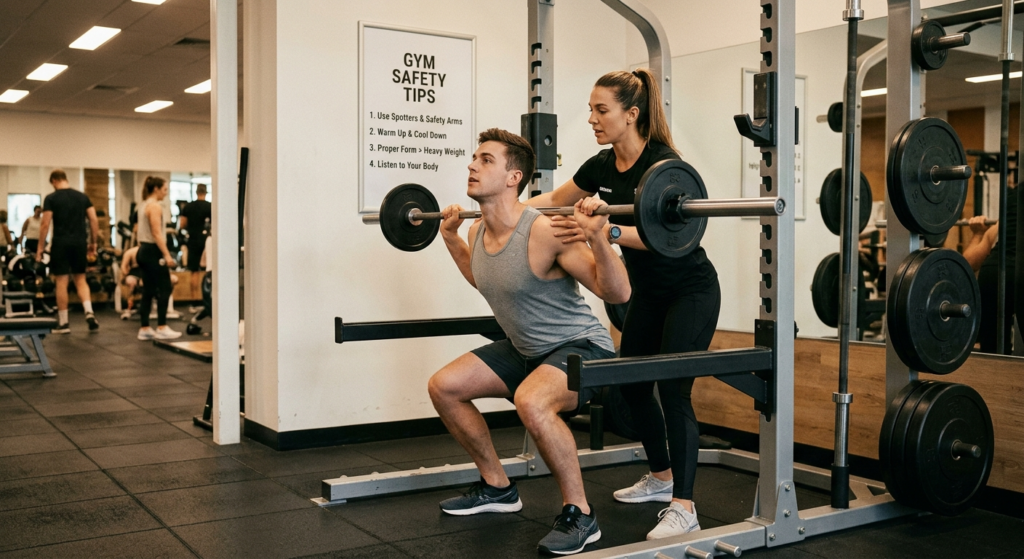
When using lower back exercises gym equipment, technique should always come before heavier resistance. Start with a weight that allows you to maintain control throughout every repetition.
Keep these principles in mind:
- Warm up before resistance training.
- Start with manageable resistance.
- Maintain a controlled range of motion.
- Keep your spine in a stable position.
- Avoid using momentum.
- Increase resistance gradually.
- Give your muscles adequate recovery.
- Stop if an exercise causes pain or unusual discomfort.
If you have an existing back injury or persistent pain, speak with an appropriate healthcare professional before starting a new exercise program.
How Often Should You Train Your Lower Back?
Your lower back is already involved in many compound exercises, so it does not necessarily need to be trained heavily every day. For many recreational gym-goers, incorporating lower-back and posterior-chain exercises into a balanced strength-training routine a couple of times per week can be a practical approach.
Your ideal frequency depends on your training experience, recovery, goals, and the other exercises included in your program.
Build a Stronger Body at True Elevate Wellness Club
Choosing the right exercises is only one part of effective fitness training. A structured program can help you combine strength training, functional movements, cardio, mobility work, and recovery according to your goals.
If you’re searching for a gym in Ludhiana, Mohali, Panchkula, Zirakpur, or a fitness facility near Peer Muchalla, True Elevate Wellness Club offers training-focused fitness environments designed for different experience levels.
Whether your goal is improving strength, building muscle, losing weight, or developing better overall fitness, consistent training and proper exercise technique can help you progress.
Start Your Strength Training Journey
A stronger lower back is built through consistent training, proper technique, progressive resistance, and adequate recovery. Instead of focusing only on lifting heavier weights, build a balanced routine that develops your entire body.
Visit True Elevate Wellness Club and speak with our fitness professionals about creating a training approach suited to your goals and experience level.
Ready to train smarter and get stronger? Join True Elevate Wellness Club today and take the next step toward your fitness goals.
Frequently Asked Questions
Back extensions, Romanian deadlifts, cable pull-throughs, deadlifts, and dumbbell Romanian deadlifts are useful options for developing lower-back and posterior-chain strength.
Depending on the exercise, useful equipment can include a back extension machine, cable machine, barbells, dumbbells, and reverse hyperextension equipment.
Yes. Beginners can perform suitable lower-back exercises using light resistance and controlled movements. Learning correct technique should be the priority before increasing weight.
The appropriate frequency depends on your overall training program and recovery. Lower-back muscles are also involved in many compound exercises, so excessive direct training may not be necessary.
Deadlifts train several muscle groups and require significant trunk stability. They can contribute to overall posterior-chain strength when performed with appropriate technique and resistance.
Bodyweight back extensions and light dumbbell hip-hinge variations can be suitable starting points, provided they are performed with proper technique.
Yes. Lower-back and posterior-chain exercises can contribute to strength and stability that support many other resistance-training movements.
If you have persistent pain or a known back injury, seek advice from a qualified healthcare professional before starting or changing an exercise routine.