


10 Best Pre Workout Stretches to Prepare Your Body
A good workout starts before your first set, run, or exercise. Taking a few minutes to prepare your body can help you transition from rest to physical activity more comfortably. This is where pre workout stretches and dynamic warm-up movements can become an important part of your fitness routine.
Whether you are preparing for strength training, cardio, functional training, or a general gym session, your warm-up should match the activity you are about to perform.
The good news is that you don’t need a complicated routine. Simple movements such as arm circles, leg swings, walking lunges, and bodyweight squats can help you get moving before your main workout.
10 Best Pre Workout Stretches
1. Arm Circles
Arm circles are a simple way to begin moving your shoulders and upper body.
Stand comfortably with your feet apart and extend your arms out to the sides. Start with small circles and gradually increase the size of the movement. Repeat in both directions.
Keep the movement controlled rather than forcing your shoulders through a large range of motion.
Good for: Upper-body workouts, strength training, and general warm-ups.
2. Shoulder Rolls
Shoulder rolls are another easy movement to include at the beginning of your warm-up.
Stand upright and slowly roll your shoulders forward several times. Then reverse the direction. Keep your neck relaxed and avoid rushing through the movement.
This can be particularly useful before exercises that involve the shoulders and upper body.
Good for: Upper-body training, functional workouts, and beginners.
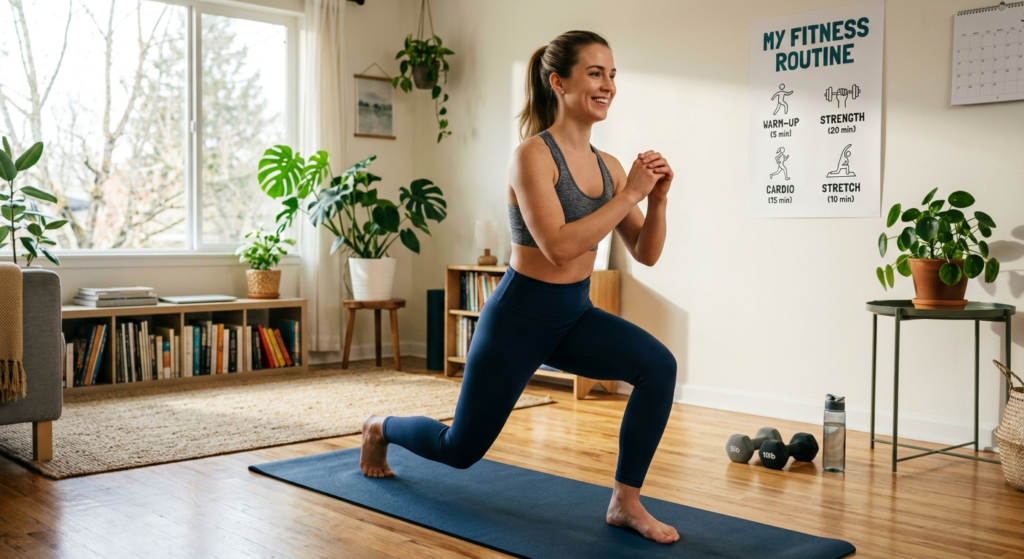
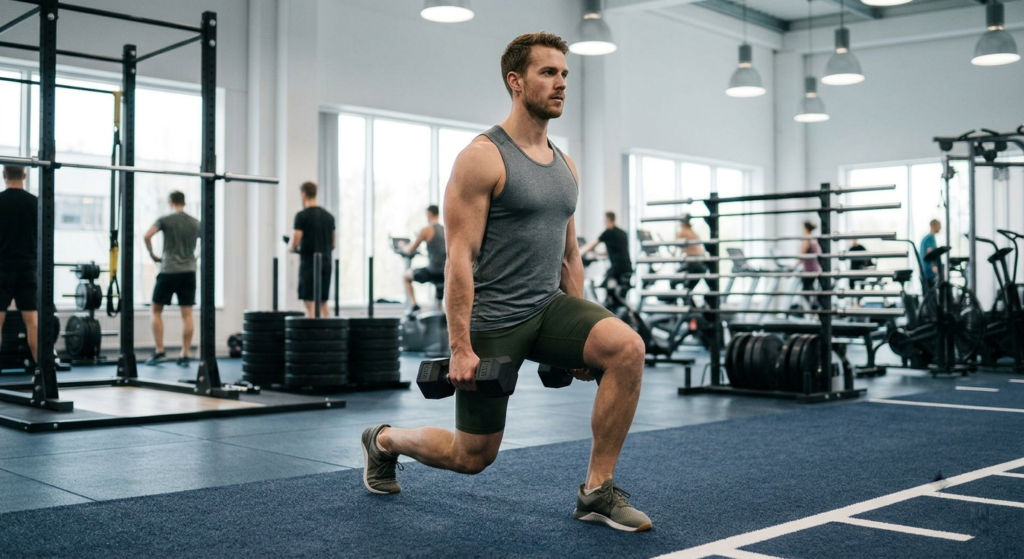
3. Walking Lunges
Walking lunges combine movement with a dynamic stretch for the lower body.
Step forward with one leg and lower your body into a comfortable lunge. Push through the front foot and bring the other leg forward. Continue alternating sides.
Maintain an upright posture and use a comfortable range of motion rather than trying to go as deep as possible.
Good for: Leg workouts, functional training, and lower-body preparation.
4. Leg Swings
Leg swings can introduce controlled movement through the hips and legs before more demanding exercises.
Stand beside a stable surface if you need support. Swing one leg gently forward and backward while maintaining your balance. Perform several controlled repetitions before switching sides.
Avoid swinging the leg aggressively. The goal is to gradually prepare for movement.
Good for: Running, cardio sessions, leg workouts, and functional training.
5. Hip Circles
Hip circles are a simple mobility movement that can be included before lower-body exercises.
Stand with your feet comfortably apart and place your hands on your hips. Make slow, controlled circles with your hips in one direction and then the other.
This can fit well into a warm-up before exercises such as squats, lunges, and other lower-body movements.
Good for: Lower-body workouts, functional training, and mobility preparation.
6. Walking High Knees
Walking high knees can gradually increase movement while preparing the legs and core for exercise.
Walk forward while comfortably bringing one knee upward at a time. Keep your upper body upright and control each movement.
As you become comfortable, you can increase the pace slightly while still maintaining control.
Good for: Cardio, circuit training, functional workouts, and full-body sessions.
7. Torso Rotations
Torso rotations can help introduce controlled movement through the upper body and trunk.
Stand with your feet around shoulder-width apart. Keep your arms comfortably positioned and gently rotate your torso from one side to the other.
Avoid forcing the rotation or using sudden movements. Keep the exercise smooth and controlled.
Good for: Functional training, core workouts, and full-body sessions.
8. Dynamic Hamstring Sweeps
Dynamic hamstring sweeps combine a controlled leg movement with a gentle dynamic stretch.
Step forward with one leg and extend it comfortably in front of you with the heel slightly ahead. Keeping the leg relatively straight, sweep your hands toward the foot without forcing the movement. Step forward and repeat on the opposite side.
The objective is controlled movement, not reaching as far as possible.
Good for: Lower-body workouts, running, and leg training.
9. Bodyweight Squats
Bodyweight squats are useful before resistance training because they allow you to practice the basic squat movement without additional weight.
Stand with your feet around shoulder-width apart. Push your hips back, bend your knees, and lower your body to a comfortable depth. Return to the starting position while maintaining control.
Focus on good movement rather than speed or depth.
Good for: Strength training, leg workouts, and full-body sessions.
10. Dynamic Calf Raises
Calf raises are particularly useful before activities involving walking, running, jumping, or lower-body training.
Stand upright and slowly raise your heels from the floor. Pause briefly at the top and then lower them under control.
If you need additional balance, hold a stable surface.
Good for: Cardio, running, leg workouts, and functional training.
How Long Should You Spend on Pre Workout Stretches?
You don’t necessarily need a long stretching session before every workout.
For many gym sessions, a short warm-up that gradually increases movement and prepares your body for the activity can be enough. The ideal routine depends on your workout intensity, fitness level, and the type of exercise you plan to perform.
A simple approach could include:
- 2–5 minutes: Light cardio or general movement
- 3–5 minutes: Dynamic mobility movements
- Then: Gradually begin your planned workout
Your warm-up should prepare you for exercise rather than leave you tired before the main workout begins.
Dynamic vs. Static Stretching Before a Workout
Not all stretching is the same.
Dynamic stretching involves controlled movement through a comfortable range of motion. Examples include leg swings, walking lunges, arm circles, and torso rotations.
Static stretching involves holding a specific position without movement for a period of time.
For many workouts, dynamic movements are commonly included in the warm-up because they prepare the body through movement. Longer static stretches can be used at other times depending on your flexibility goals, workout, and individual needs.
The most appropriate approach can vary from person to person and should take your planned activity into account.
Common Mistakes to Avoid During Pre Workout Stretching
Even simple warm-up movements can become less effective when performed incorrectly. Keep these common mistakes in mind.
Stretching Too Aggressively
Pre-workout movements should be controlled and comfortable. Avoid forcing your body into a position or bouncing aggressively.
Skipping the General Warm-Up
Stretching doesn’t necessarily replace a general warm-up. A few minutes of light movement can help gradually transition your body into exercise.
Spending Too Much Time Stretching
A warm-up should complement your workout. You don’t need to turn every pre-workout routine into a lengthy flexibility session.
Using the Same Warm-Up for Every Workout
Your warm-up should reflect your planned activity. A lower-body strength session may require different preparation than an upper-body or cardio workout.
Ignoring Your Fitness Level
Beginners don’t need to copy advanced athletes. Start with simple movements and gradually develop your mobility and fitness as your experience increases
How to Choose Pre Workout Stretches for Different Exercises
The best warm-up isn’t necessarily the longest one. It should prepare you for the movements you are about to perform.
Before Strength Training
If you’re doing strength training, focus on dynamic movements that prepare the areas involved in your workout. Bodyweight squats, hip circles, arm circles, and movement-specific exercises can be useful starting points.
Before Cardio
For cardio activities such as running or cycling, gradually increase your activity level and include movements that prepare the lower body.
Before Functional Training
Functional workouts often involve several movement patterns. A combination of mobility exercises, torso rotations, walking lunges, and other dynamic movements can help prepare you for the session.
Before a Full-Body Workout
A full-body warm-up can combine upper-body movements, hip mobility, leg movements, and light cardio before progressing into the main workout.
Why a Proper Warm-Up Matters for Gym Beginners
Starting a new workout routine can be challenging, especially if you’re unfamiliar with exercise technique and training structure.
A simple warm-up gives beginners an opportunity to gradually transition into exercise rather than immediately starting with high-intensity movements.
If you’re joining a gym in Panchkula, for example, learning how to warm up properly can be a useful part of developing consistent workout habits. The same principle applies whether you’re training for muscle building, weight management, strength, or general fitness.
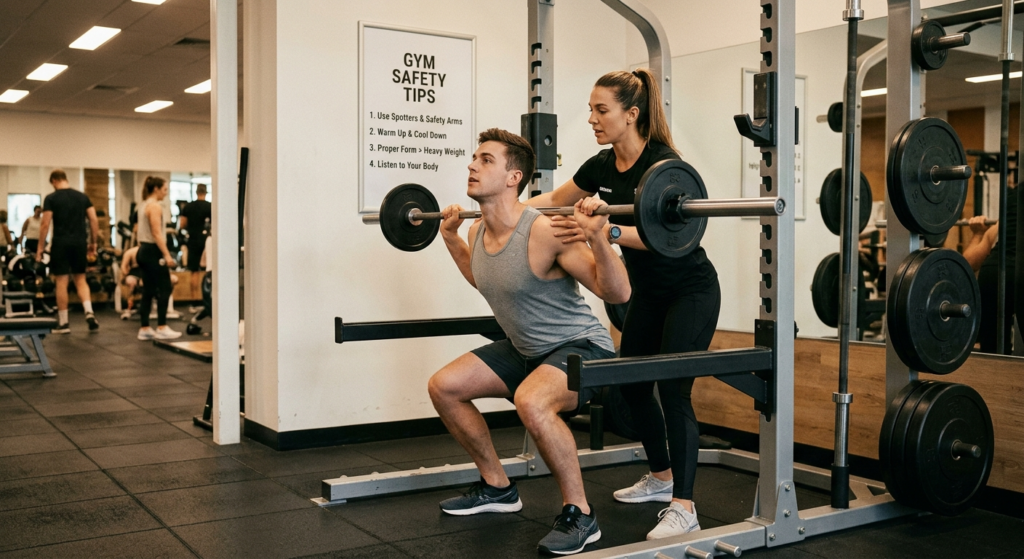
A structured training environment can also help beginners understand exercise form, workout progression, and appropriate warm-up routines.
Pre Workout Guidance at True Elevate Wellness Club
Your fitness goals may differ from someone else’s, so your workout preparation should also reflect your individual needs.
True Elevate Wellness Club provides fitness-focused training and workout programs across Ludhiana, Mohali, Panchkula, Zirakpur, and Peer Muchalla. Whether you’re beginning your fitness journey or looking to improve your existing routine, the right combination of training, movement preparation, and consistency can help you stay focused on your goals.
You can explore a suitable gym in Ludhiana if you’re based in the city, while members in the Tricity region can consider True Elevate’s fitness facilities in Mohali, Panchkula, Zirakpur, and Peer Muchalla.
The goal isn’t simply to exercise harder. It’s to develop a sustainable approach to training that fits your fitness level and objectives.
Should Beginners Do Pre Workout Stretches?
Yes, beginners can include simple dynamic movements in their warm-up routine.
You don’t need an advanced stretching program. Start with basic exercises such as:
- Arm circles
- Shoulder rolls
- Hip circles
- Leg swings
- Walking lunges
- Bodyweight squats
- Walking high knees
As your fitness improves, your warm-up can become more specific to your workout and training goals.
If a movement causes pain rather than normal stretching discomfort, stop performing it and seek appropriate professional guidance.
Final Thoughts
The right pre workout stretches can be a practical part of a well-structured fitness routine. Simple dynamic movements can help you transition from rest to exercise and prepare your body for the movements involved in your workout.
Remember that your warm-up should complement your training rather than replace it. Choose movements based on your workout, maintain good control, and gradually increase exercise intensity.
Whether you’re focused on strength training, cardio, muscle building, functional fitness, or weight management, developing consistent warm-up and training habits can make your gym routine more organized.
At True Elevate Wellness Club, members can access fitness-focused programs designed around different training goals across Ludhiana, Mohali, Panchkula, Zirakpur, and Peer Muchalla.
Ready to Improve Your Workout Routine?
Looking for structured fitness guidance and a supportive training environment? Connect with True Elevate Wellness Club to explore gym memberships, personal training, strength training, functional training, and fitness coaching options suited to your goals.
Frequently Asked Questions
Some useful dynamic movements include arm circles, shoulder rolls, walking lunges, leg swings, hip circles, walking high knees, torso rotations, dynamic hamstring sweeps, bodyweight squats, and calf raises.
A short warm-up of around 5–10 minutes can work for many gym sessions, although the ideal routine depends on your fitness level, workout type, and individual needs.
Dynamic movements are commonly included in pre-workout warm-ups because they involve controlled movement. Static stretching may be incorporated at other times depending on your flexibility and training goals.
Beginners can benefit from a simple warm-up that includes light activity and controlled dynamic movements before starting their main workout.
Yes. Dynamic mobility movements and workout-specific warm-up exercises can be incorporated before strength training.
Leg swings, walking high knees, calf raises, and other controlled dynamic movements can be incorporated into a cardio warm-up depending on the activity.
Stretching should not be considered a guarantee against injury. Proper exercise technique, gradual progression, appropriate training loads, recovery, and a suitable warm-up are also important.
Beginners can work with qualified fitness professionals who can demonstrate suitable warm-up movements and help adapt them to their fitness level and workout goals.