
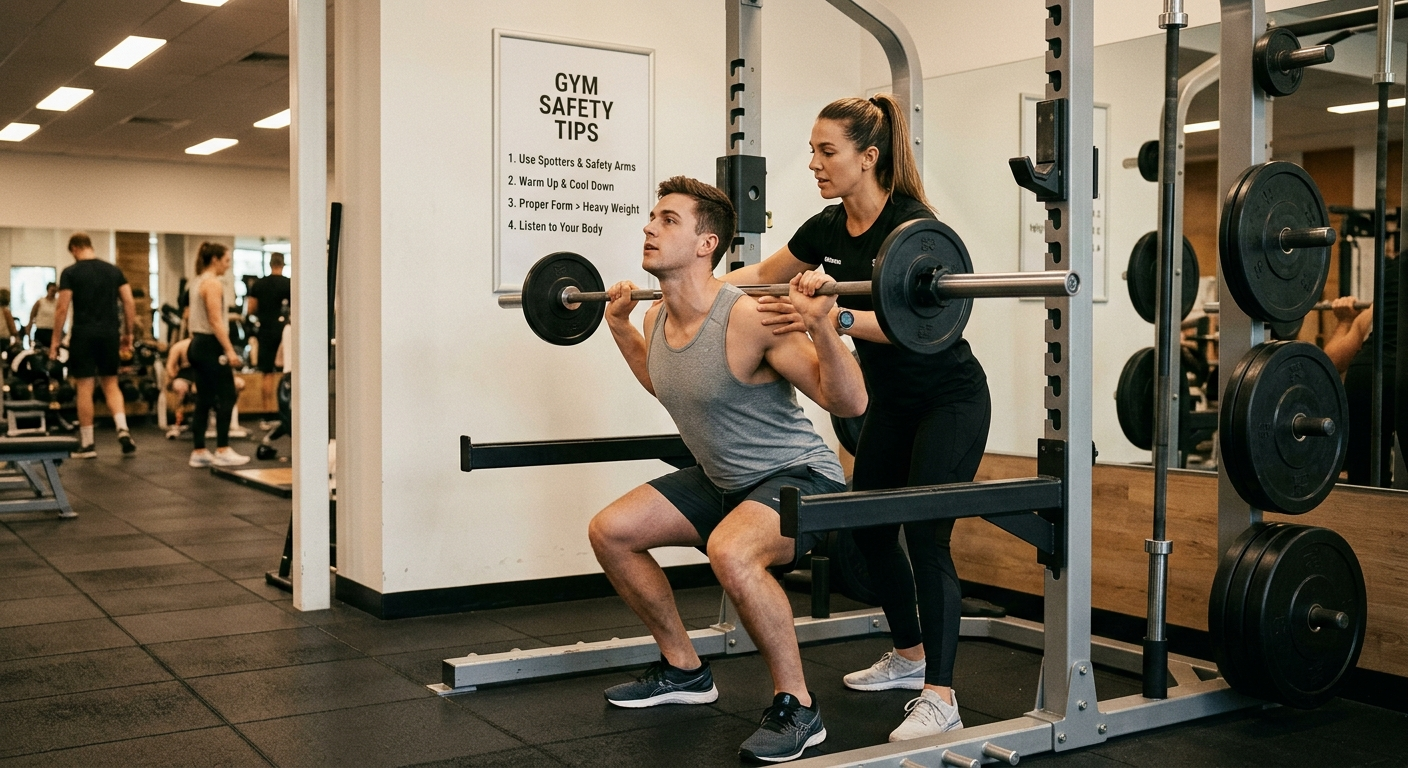

Injury Prevention Tips for New Gym Members
Starting a gym routine is an exciting step toward becoming stronger, fitter, and healthier. However, new members often make simple mistakes that can increase their risk of discomfort or injury. Learning the basics of safe training can make workouts more effective and help you stay consistent.
If you’re starting your fitness journey and looking for a gym in Panchkula, learning the right workout techniques and injury prevention habits can help you train safely and consistently.
Whether you are beginning strength training, working toward weight loss, or simply becoming more active, these gym injury prevention tips can help you build better workout habits from the start.
1. Always Start With a Proper Warm-Up
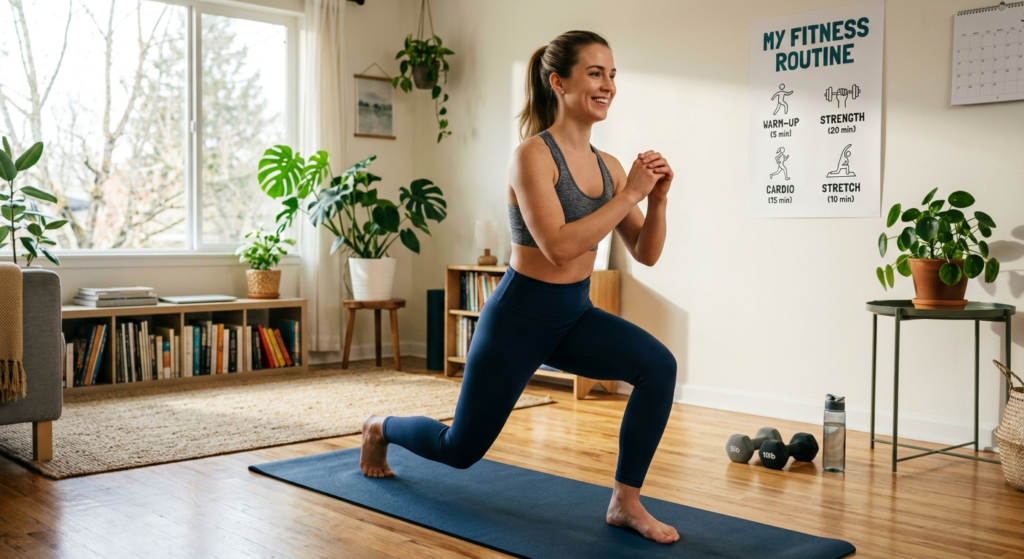
A warm-up prepares your body for physical activity. Instead of immediately starting with heavy weights or intense exercises, spend a few minutes getting your body moving.
Light cardio followed by dynamic movements can help you prepare for your workout. Your warm-up can vary depending on whether you are training your upper body, lower body, or doing a full-body session.
2. Focus on Exercise Form
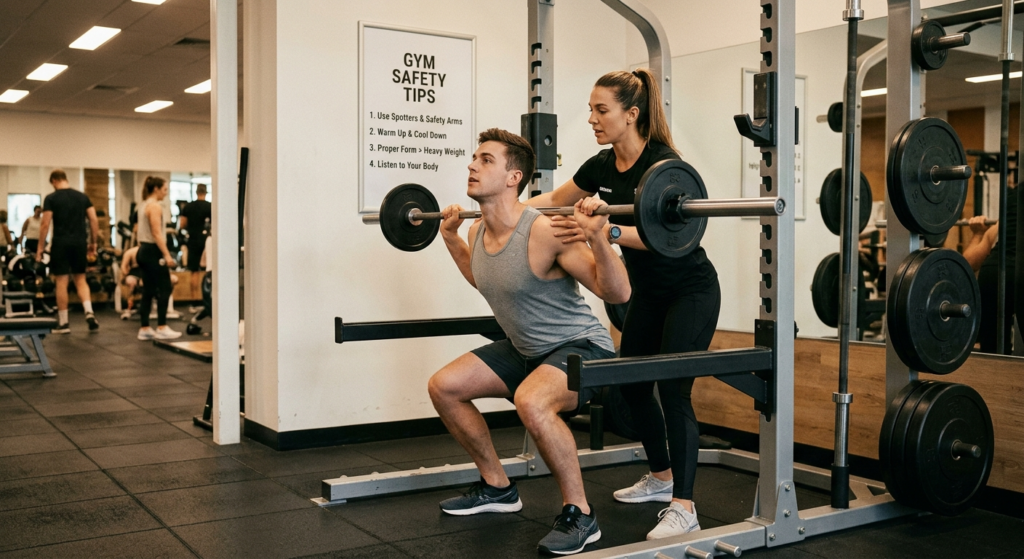
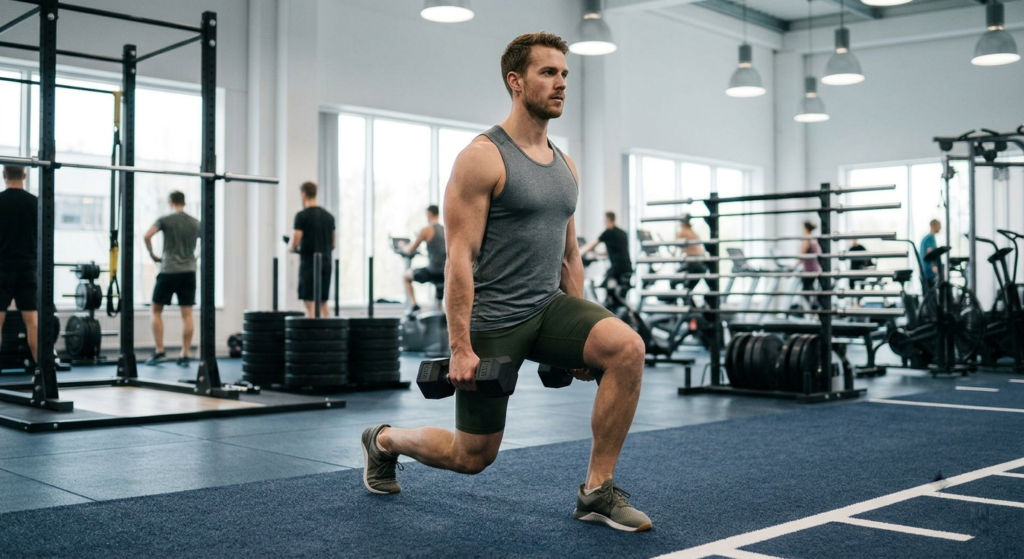
One of the most important injury prevention tips for beginners is learning the correct technique.
Good form helps you perform exercises in a controlled manner and allows you to focus on the intended muscles. Poor technique, especially while lifting weights, can place unnecessary stress on joints and other parts of the body.
If you are unsure about an exercise, ask a qualified trainer to demonstrate the movement and correct your technique.
3. Don’t Start With Excessive Weight
New members sometimes feel that lifting heavier weights will produce faster results. In reality, using more weight than you can control can compromise your technique and make training unnecessarily difficult.
Start with a manageable resistance that allows you to perform the exercise with good form. As your strength and confidence improve, you can gradually increase the challenge.
4. Increase Workout Intensity Gradually
Your body needs time to adapt to a new training routine. Avoid dramatically increasing your workout duration, frequency, or resistance from one week to the next.
A gradual approach allows you to build strength and endurance while developing consistent exercise habits. Progress should be based on your individual fitness level rather than what someone else is lifting.
5. Learn How to Use Gym Equipment
Modern gyms offer a variety of machines, free weights, cables, and functional training equipment. Using them incorrectly can make an otherwise useful exercise less effective.
Before using unfamiliar equipment, learn how it works and make the necessary adjustments for your body. If you are a beginner, professional guidance can make this process much easier.
6. Don’t Ignore Recovery
Exercise is only one part of a successful fitness routine. Recovery is also important.
Allow your muscles adequate time to recover between demanding sessions. Getting enough sleep, maintaining a balanced diet, staying hydrated, and planning appropriate rest can support your overall training routine.
If you constantly feel exhausted or your performance keeps declining, your workout schedule may need adjustment.
7. Listen to Your Body
It is normal to experience some muscle fatigue or soreness when beginning a new workout routine. However, you should not assume that every type of pain is something you should push through.
Stop an exercise if you experience sudden, sharp, or unusual pain. If symptoms are severe, persistent, or concerning, seek advice from an appropriate healthcare professional.
Understanding the difference between normal training fatigue and potentially concerning pain is an important part of responsible exercise.
8. Stay Hydrated During Your Workout
Hydration is another simple part of workout safety. Keep water available during your training session and drink regularly according to your individual needs and the conditions in which you exercise.
Proper hydration is particularly important during longer or more demanding workouts.
9. Avoid Copying Advanced Workouts
Social media is full of challenging workouts performed by experienced athletes and fitness enthusiasts. However, an advanced workout is not automatically appropriate for someone who has just joined a gym.
Choose exercises and training volume that match your current fitness level. Build a strong foundation before progressing to more complex movements or demanding routines.
10. Consider Professional Fitness Guidance
If you are unfamiliar with exercise technique or gym equipment, working with a qualified fitness professional can provide useful guidance.
Personal training can help beginners understand exercise form, select appropriate resistance, structure workouts, and work toward specific goals. This can be particularly useful for people who want a more structured approach to strength training, weight loss, or general fitness.
For people searching for a gym in Panchkula, choosing a facility where beginners can access appropriate guidance can make starting a fitness routine more comfortable and manageable.
Common Gym Mistakes Beginners Should Avoid
Some mistakes are especially common among new gym members:
- Skipping the warm-up
- Using weights that are too heavy
- Sacrificing form for more repetitions
- Increasing workout intensity too quickly
- Ignoring rest and recovery
- Copying advanced exercises without instruction
- Using equipment without understanding how it works
- Continuing an exercise despite unusual pain
Avoiding these habits can help you develop a safer and more sustainable approach to exercise.
How to Build a Safer Beginner Workout Routine
A simple beginner session can follow this structure:
Warm-up → Technique-focused exercises → Main workout → Cool-down → Recovery
Start with movements you understand and can perform comfortably. Keep your initial workouts manageable and focus on consistency rather than trying to achieve maximum intensity every time you visit the gym.
As your fitness improves, your training plan can gradually become more challenging.
When Should You Stop an Exercise?
Knowing when to stop is just as important as knowing how to exercise.
Stop an activity if you experience symptoms such as sudden or sharp pain, dizziness, unusual breathing difficulty, loss of normal movement, or discomfort that becomes worse as you continue.
When in doubt, don’t attempt to train through significant pain. Appropriate professional or medical advice can help determine the right next step.
Start Your Fitness Journey With Better Habits
Injury prevention doesn’t mean avoiding challenging workouts. It means learning how to challenge your body responsibly.
A proper warm-up, good exercise technique, sensible weight selection, gradual progression, adequate recovery, and professional guidance can all contribute to better training habits.
If you’re looking for a gym in Panchkula where you can work toward your fitness goals with structured guidance, True Elevate Wellness Club can be a starting point for building a consistent workout routine. Focus on learning, progressing gradually, and making fitness a sustainable part of your lifestyle.
Frequently Asked Questions
Beginners can reduce injury risk by warming up properly, learning correct exercise form, using manageable weights, progressing gradually, staying hydrated, and allowing enough recovery.
Begin with an appropriate warm-up and prepare your body for the movements you plan to perform. If you are unfamiliar with an exercise, learn the correct technique before adding resistance.
Beginners should prioritize control and proper form rather than maximum weight. Resistance can be increased gradually as strength and technique improve.
The appropriate recovery schedule depends on the individual’s training plan, fitness level, and workout intensity. Beginners should allow adequate recovery between demanding sessions.
Common mistakes include skipping warm-ups, using excessive weight, poor exercise technique, progressing too quickly, ignoring recovery, and copying advanced workouts without proper instruction.
Personal training can be useful for beginners who need help learning exercise techniques, using equipment, structuring workouts, or working toward specific fitness goals.
Look for a gym with suitable equipment, qualified trainers, a supportive environment, clear safety practices, and training options that match your fitness level and goals.
Stop the exercise if it causes sudden, sharp, or unusual pain. If the pain is severe, persistent, or concerning, consult an appropriate healthcare professional.