
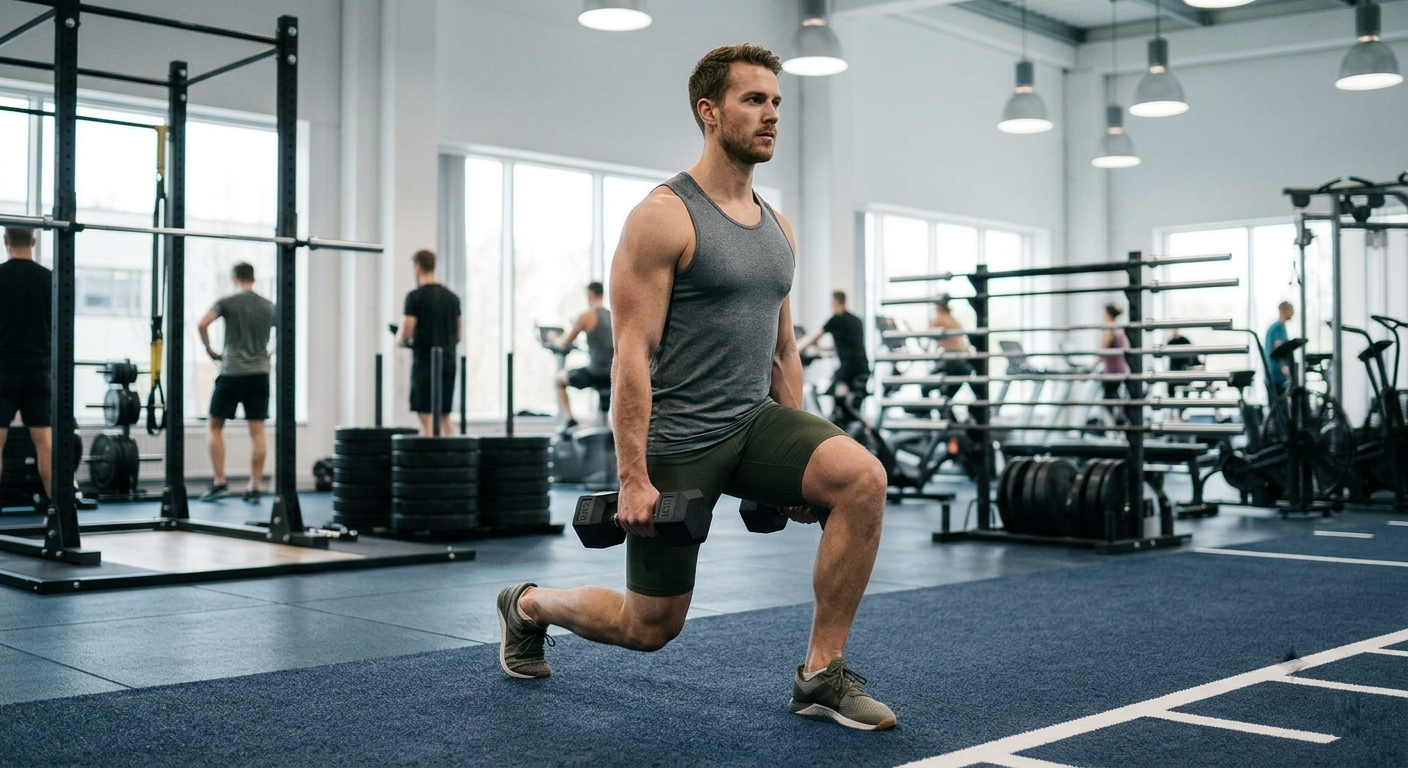

10 Best Dumbbell Leg Exercises for Bigger and Stronger Legs
Strong, well-developed legs are an important part of a balanced and powerful physique. Whether you are new to strength training or already have experience in the gym, dumbbells can be an effective tool for training your lower body. They allow you to perform compound and single-leg movements while challenging your muscles through resistance.
The right combination of exercises can target your quadriceps, hamstrings, glutes, and calves while helping improve strength, stability, and overall lower-body performance. If your goal is to build bigger and stronger legs, consistency, proper exercise technique, progressive resistance, and adequate recovery all matter.
Here are 10 effective dumbbell leg exercises you can include in your workout routine.
Why Use Dumbbells for Leg Training?
Dumbbells offer several advantages for lower-body workouts. They are versatile, easy to incorporate into different exercises, and allow each side of the body to work independently.
Dumbbell training can also help improve balance and coordination while providing resistance for muscle-building movements. For beginners, dumbbells can be a practical way to learn fundamental strength-training patterns before progressing to heavier or more specialized equipment.
1. Dumbbell Goblet Squat
The goblet squat is an excellent exercise for developing the quadriceps, glutes, and overall lower-body strength.
How to perform:
- Hold one dumbbell vertically in front of your chest with both hands.
- Stand with your feet approximately shoulder-width apart.
- Brace your core and keep your chest lifted.
- Bend your knees and hips to lower into a controlled squat.
- Push through your feet to return to the starting position.
Focus on controlled movement rather than simply using a heavier dumbbell.
2. Dumbbell Bulgarian Split Squat
The Bulgarian split squat is a challenging single-leg movement that targets the quads and glutes while also demanding balance and stability.
How to perform:
- Stand a short distance in front of a stable bench.
- Place one foot behind you on the bench.
- Hold dumbbells at your sides.
- Lower your body by bending the front leg.
- Drive through the front foot to return to the starting position.
- Complete your repetitions before switching sides.
Because each leg works independently, this exercise can be useful for identifying and addressing differences in strength between the two sides.
3. Dumbbell Romanian Deadlift
The dumbbell Romanian deadlift emphasizes the hamstrings and glutes while training the hip-hinge movement pattern.
How to perform:
- Hold a dumbbell in each hand in front of your thighs.
- Keep your back neutral and shoulders controlled.
- Push your hips backward while slightly bending your knees.
- Lower the dumbbells along your legs until you feel tension through your hamstrings.
- Drive your hips forward to return to standing.
Avoid rounding your back or turning the movement into a squat.
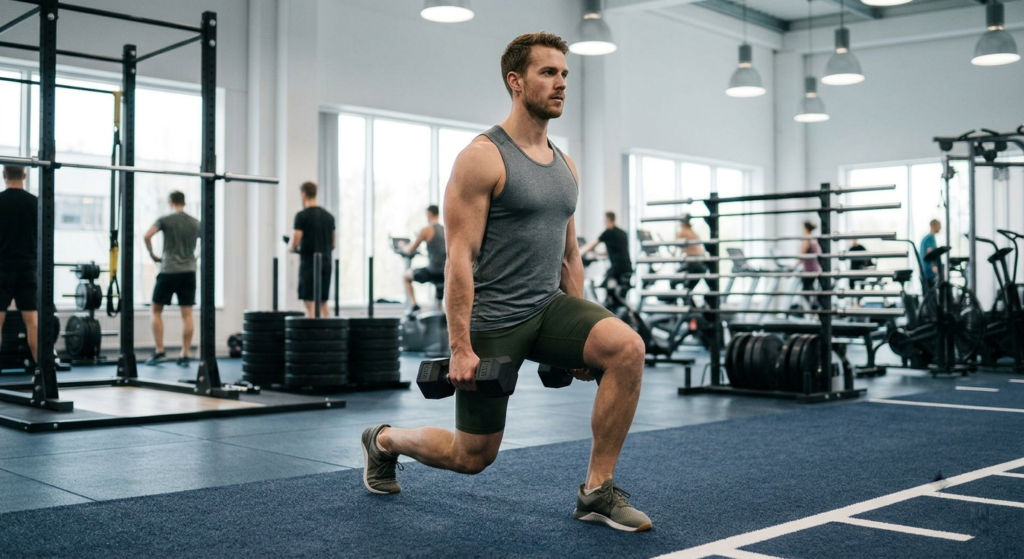
4. Dumbbell Walking Lunges
Walking lunges are a dynamic lower-body exercise that can challenge the quadriceps, glutes, and hamstrings while also requiring balance.
How to perform:
- Hold a dumbbell in each hand.
- Stand tall with your feet hip-width apart.
- Step forward with one leg.
- Lower your hips until both knees are comfortably bent.
- Push through the front foot and bring the other leg forward.
- Continue alternating sides.
Keep your movements controlled and maintain a stable torso throughout the exercise.
5. Dumbbell Reverse Lunges
Reverse lunges are another effective way to train the legs and glutes while using dumbbells for additional resistance.
How to perform:
- Stand upright while holding dumbbells beside your body.
- Step one foot backward.
- Lower your body in a controlled manner.
- Push through the front foot to return to the starting position.
- Repeat on the opposite side.
If you are new to lunges, start with a manageable weight and focus on maintaining good balance and technique.
6. Dumbbell Step-Ups
Dumbbell step-ups target the legs and glutes while also challenging single-leg strength and stability.
How to perform:
- Stand in front of a stable step or platform.
- Hold a dumbbell in each hand.
- Place one foot firmly on the platform.
- Drive through that foot to bring your body upward.
- Step down under control.
- Repeat with the other leg.
Use a platform height that allows you to perform the movement safely without compromising your form.
7. Dumbbell Sumo Squat
The dumbbell sumo squat uses a wider stance and can place significant emphasis on the glutes, quadriceps, and inner-thigh muscles.
How to perform:
- Hold one dumbbell with both hands in front of your body.
- Take a wider stance with your toes slightly turned outward.
- Brace your core.
- Lower your hips while keeping your chest controlled.
- Push through your feet to stand back up.
Your stance should allow you to move comfortably without forcing your knees or hips into an unnatural position.
8. Dumbbell Calf Raises
Building stronger lower legs requires dedicated calf work. Dumbbell calf raises are a simple way to add resistance to this area.
How to perform:
- Hold a dumbbell in each hand.
- Stand tall with your feet positioned comfortably.
- Slowly raise your heels from the floor.
- Pause briefly at the top.
- Lower your heels under control.
Using a controlled range of motion is more important than rushing through repetitions.
9. Dumbbell Front-Foot Elevated Split Squat
This variation of the split squat can provide a deeper range of motion and create a demanding lower-body workout when performed with appropriate technique.
How to perform:
- Place your front foot on a low, stable platform.
- Hold dumbbells at your sides.
- Position your other foot behind you.
- Lower your body slowly while maintaining control.
- Push through the front foot to return upward.
- Complete the desired repetitions before switching sides.
Start with a light weight while learning the movement and gradually increase resistance as your technique improves.
10. Dumbbell Stiff-Leg Deadlift
The dumbbell stiff-leg deadlift focuses primarily on the posterior chain, particularly the hamstrings and glutes.
How to perform:
- Hold dumbbells in front of your thighs.
- Stand with your feet comfortably positioned.
- Keep your spine neutral.
- Hinge forward from your hips while lowering the dumbbells.
- Maintain controlled tension through your hamstrings.
- Return to the standing position by driving your hips forward.
Do not sacrifice your posture to lift heavier weights.
How to Build a Dumbbell Leg Workout
You do not need to perform all 10 exercises in every session. A balanced workout can combine a squat or split-squat movement, a hip-hinge exercise, a lunge or step-up, and a calf exercise.
For example, a session could include:
- Goblet squats
- Dumbbell Romanian deadlifts
- Walking lunges
- Dumbbell calf raises
The appropriate number of sets, repetitions, resistance, and rest periods depends on your training experience and goals. Beginners should prioritize technique and gradually develop their workload rather than immediately chasing heavy weights.
Tips for Building Bigger and Stronger Legs
Focus on Progressive Overload
Muscles need an appropriate training stimulus to adapt. Over time, you can gradually increase resistance, repetitions, training volume, or improve your exercise execution.
Prioritize Good Form
Using excessive weight can make it harder to control an exercise and may reduce the quality of your movement. Learn the correct technique before increasing resistance.
Train Different Leg Muscles
A complete lower-body routine should not focus exclusively on squats. Include movements that challenge the quads, hamstrings, glutes, and calves.
Give Your Body Time to Recover
Recovery is an important part of strength training. Allow your muscles sufficient time to recover between demanding sessions and maintain adequate sleep and nutrition.
Stay Consistent
Building stronger and bigger legs takes time. A consistent training routine is generally more useful than frequently changing exercises without giving your body enough time to adapt.
Common Dumbbell Leg Training Mistakes
Some common mistakes can reduce the effectiveness of a leg workout:
- Choosing weights that are too heavy
- Performing repetitions too quickly
- Neglecting proper warm-up and preparation
- Using poor range of motion
- Ignoring unilateral exercises
- Focusing only on the quadriceps
- Failing to increase training difficulty over time
- Not allowing enough recovery
If you are unsure about your technique, working with a qualified fitness professional can help you learn appropriate movement patterns and build a structured program.
When Should You Consider a Structured Gym Workout?
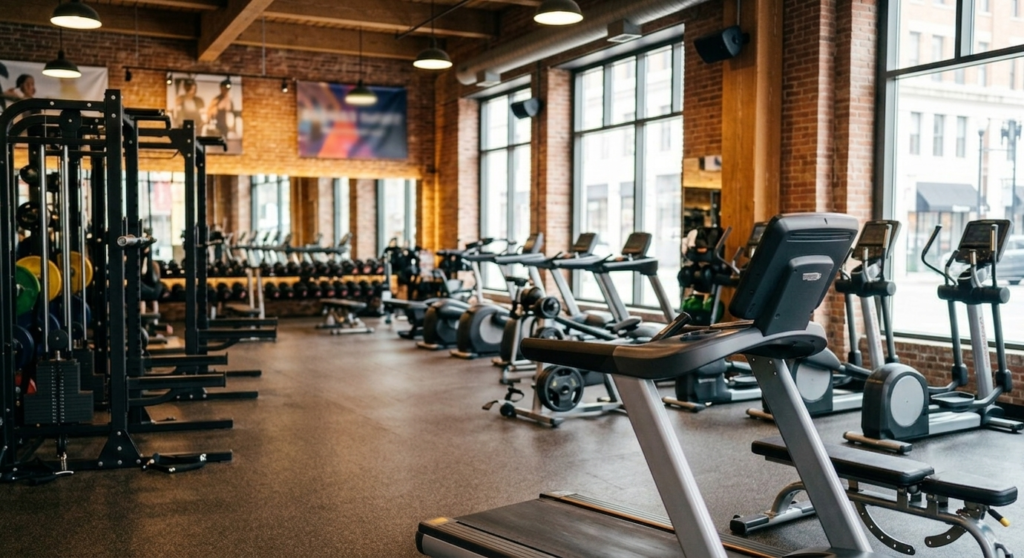
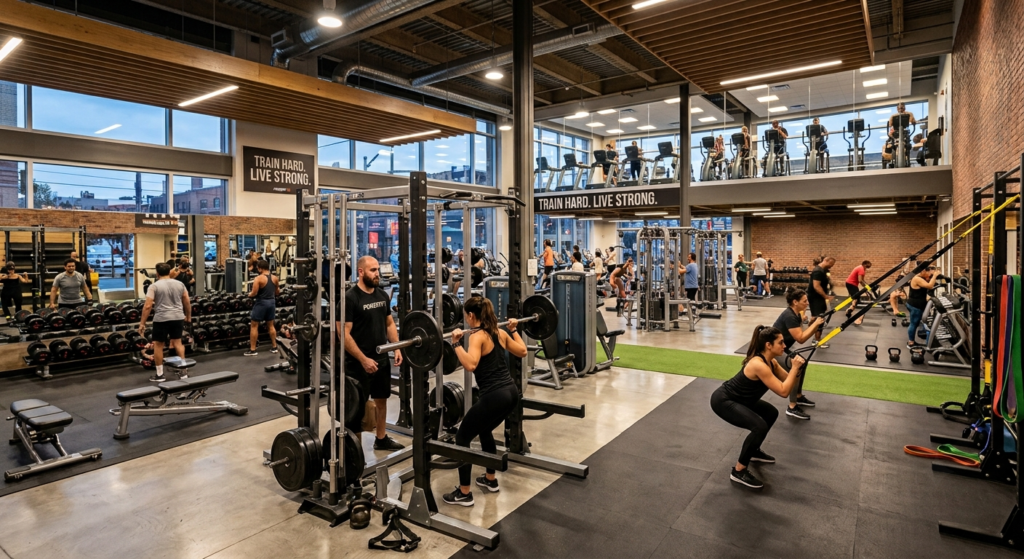
Dumbbells can provide an effective foundation for lower-body training, but a structured gym environment can give you access to a wider range of resistance-training equipment, professional guidance, and workout programs. If you want to take your leg training further, joining the best gym in Zirakpur can give you access to better equipment, professional guidance, and structured workouts to support your fitness goals.
True Elevate Wellness Club offers fitness and training services at multiple locations, including Zirakpur, Peer Muchalla, Mohali, Panchkula, Ludhiana (BRS Nagar), and Ludhiana (Jamalpur). With options such as strength training, personal training, functional training, muscle-building programs, cardio training, and fitness coaching, members can choose training support based on their individual fitness goals.
Build Stronger Legs With Consistent Training
Dumbbell leg exercises can be an effective part of a well-rounded strength-training program. From goblet squats and Bulgarian split squats to Romanian deadlifts and calf raises, these movements can help you train different lower-body muscles while improving strength and stability.
The key is not simply choosing the heaviest dumbbells. Focus on proper technique, progressive training, adequate recovery, and consistency. If you want additional guidance or access to a structured training environment, consider exploring strength-training and fitness programs at True Elevate Wellness Club.
Frequently Asked Questions
Yes, dumbbells can provide effective resistance for many lower-body exercises. Progressively challenging your muscles while maintaining proper technique, nutrition, and recovery can support muscle development.
Goblet squats, Bulgarian split squats, Romanian deadlifts, lunges, step-ups, and split-squat variations are useful exercises for targeting different lower-body muscle groups.
Training frequency depends on your experience, overall program, recovery, and goals. A structured routine should provide enough recovery between demanding lower-body sessions.
Dumbbell Romanian deadlifts and stiff-leg deadlifts are effective options for emphasizing the hamstrings and glutes.
Many dumbbell leg exercises can be adapted for beginners. Start with manageable resistance, learn the correct movement pattern, and gradually increase the difficulty as your technique and strength improve.